
 Talk to production646-681-4212 Talk to production646-681-4212
 Explore our flagship OEM/ODM sustainable garments engineered with premium organic cotton, GOTS-compliant dyes, and low-shrinkage knit structures tailored for global retail brands.
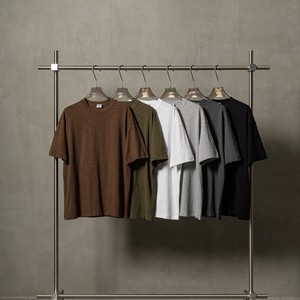
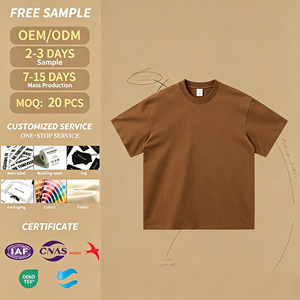
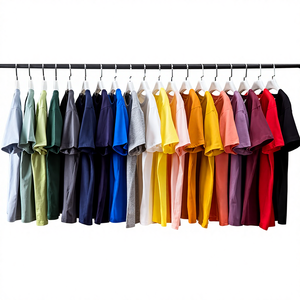
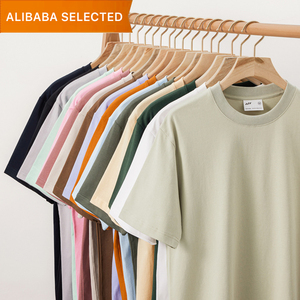

The global luxury and boutique fashion landscape is experiencing a fundamental structural shift toward ethically engineered, environmentally compliant apparel manufacturing. As consumer search intent pivots from simple price comparison to verifying supply chain transparency, fashion brands require apparel manufacturing partners capable of offering true Information Gain. China's premier organic clothing factories have transformed from mass-volume sewing houses into tech-enabled, eco-conscious engineering centers.
Understanding the modern organic textile supply chain requires evaluating key technical parameters: raw fiber staple length, GOTS (Global Organic Textile Standard) Version 7.0 compliance, zero-discharge water treatment technologies, and rigorous pattern-grading metrics that guarantee zero-fit drift across production batches.
Every kilogram of organic cotton yarn passing through our knitting lines is validated by Transaction Certificates (TC). We mandate 100% non-GMO seeds, zero toxic synthetic pesticides, and complete chemical management protocols meeting ZDHC (Zero Discharge of Hazardous Chemicals) Level 3 criteria.
Our in-house apparel engineering department converts raw sketches, mood boards, or physical reference samples into production-grade Tech Packs. We establish strict Bill of Materials (BOM), measurement tolerances (±0.5cm), and graded size specifications before fabric cutting begins.
We deploy rigorous quality assurance at four distinct production checkpoints: raw greige fabric inspection (4-Point System), in-line stitching audits during cut & sew, full dimensional wash-shrinkage checks, and final ISO-compliant AQL 2.5 carton inspection prior to DDP dispatch.
The structural integrity of a custom t-shirt or hoodie relies heavily on yarn fiber length. Our Chinese manufacturing facilities exclusively source extra-long staple (ELS) organic cotton measuring over 35mm. This results in yarn with significantly higher tensile strength, exceptional resistance to pilling after repeated laundering, and an impossibly soft hand-feel that meets international boutique retail standards.
To assist brand directors and sourcing managers in making data-driven procurement decisions, the following matrix outlines technical specifications for our primary sustainable fabric lines:
| Fabric Classification | GSM Range | Composition & Blend | Certification Standard | Recommended Application |
|---|---|---|---|---|
| Organic Combed Jersey | 160 - 260 GSM | 100% GOTS Organic Cotton | GOTS / OEKO-TEX Standard 100 | Boutique T-Shirts, Drop-Shoulder Tees |
| Heavyweight French Terry | 320 - 500 GSM | 100% Organic Cotton / Recycled Poly | OCS Blended / GRS Verified | Luxury Hoodies, Heavy Sweatpants |
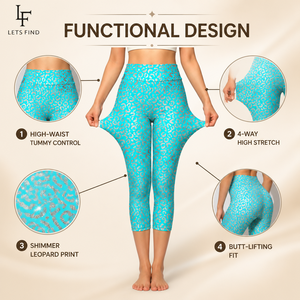
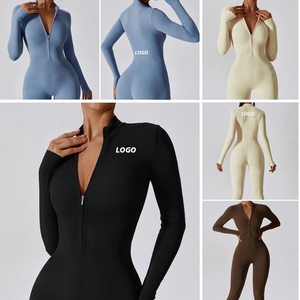
| Performance Eco-Knit | 220 - 300 GSM | 78% Recycled Nylon, 22% Spandex | Global Recycled Standard (GRS) | High-Waist Yoga Pants, Bodysuits |
| Organic Bamboo Interlock | 180 - 240 GSM | 70% Bamboo Viscose, 30% Organic Cotton | FSC Certified / OEKO-TEX Class 1 | Sensitive Skin Loungewear, Baby Clothes |
| Recycled Fleece | 280 - 400 GSM | 100% Post-Consumer PET Poly | GRS / Intertek Certified | Outerwear, Thermal Active Tracksuits |
Emerging DTC brands and established retail fashion houses are completely overhauling their supply chain strategies. Procurement success over the next decade will be defined by four key operational innovations:
Global regulatory bodies, including the EU Eco-Design Regulation, are mandating complete transparency. Future organic garments will carry scannable QR tags linked to Digital Product Passports detailing raw farm origin, yarn spinning mill location, dye house chemical safety audits, and carbon footprint metrics. Our factory ecosystem is already fully integrated with blockchain-backed batch certification tools.
The traditional model of ordering 5,000 units per style to achieve competitive pricing creates immense operational risk and textile waste. By optimizing cut-and-sew marker efficiency using computerized Lectra CAD systems, our facility allows brands to order low MOQs starting at 50 pieces per design. Brands can test real-time market demand before scaling volume runs, preserving cash flow and minimizing inventory liability.
Water scarcity concerns are driving rapid adoption of supercritical CO2 waterless dyeing and botanical plant-based pigmentations. These processes reduce water consumption by up to 95% while eliminating synthetic heavy metals from effluent wastewater. Our dyeing partners utilize closed-loop filtration systems that recycle 98% of process water.
Designing for recyclability requires monomaterial engineering—utilizing 100% organic cotton fabrics combined with 100% cotton sewing threads, pocketing, and neck tapes. Monomaterial garments can be directly mechanical recycled at end-of-life without labor-intensive trim separation, aligning seamlessly with circular fashion principles.
Combining decade-long apparel engineering expertise with cutting-edge sustainable manufacturing technology, we provide an all-inclusive OEM/ODM solution for growing apparel enterprises:
From custom woven neck labels, screen-printed care tags, eco-friendly FSC certified hangtags, to custom-branded biodegradable polybags, we deliver 100% shelf-ready garments straight to your warehouse or FBA fulfillment center.
Mastering heavy puff screen printing, high-density embroidery, water-based soft-hand DTG printing, digital sublimation, and applique patches—tested for wash-fastness under ISO 105 standards to ensure long-lasting print life.
No hidden surcharge lines. Every quotation provides a transparent breakdown of fabric consumption, trim costs, decoration charges, and freight options (Air Express, DDP Sea Freight) with strict, guaranteed milestone scheduling.
Get clear, definitive answers regarding custom apparel production, sampling protocols, minimum order quantities, and shipping logistics.