Have any questions? (646) 681-4212  |  [email protected]
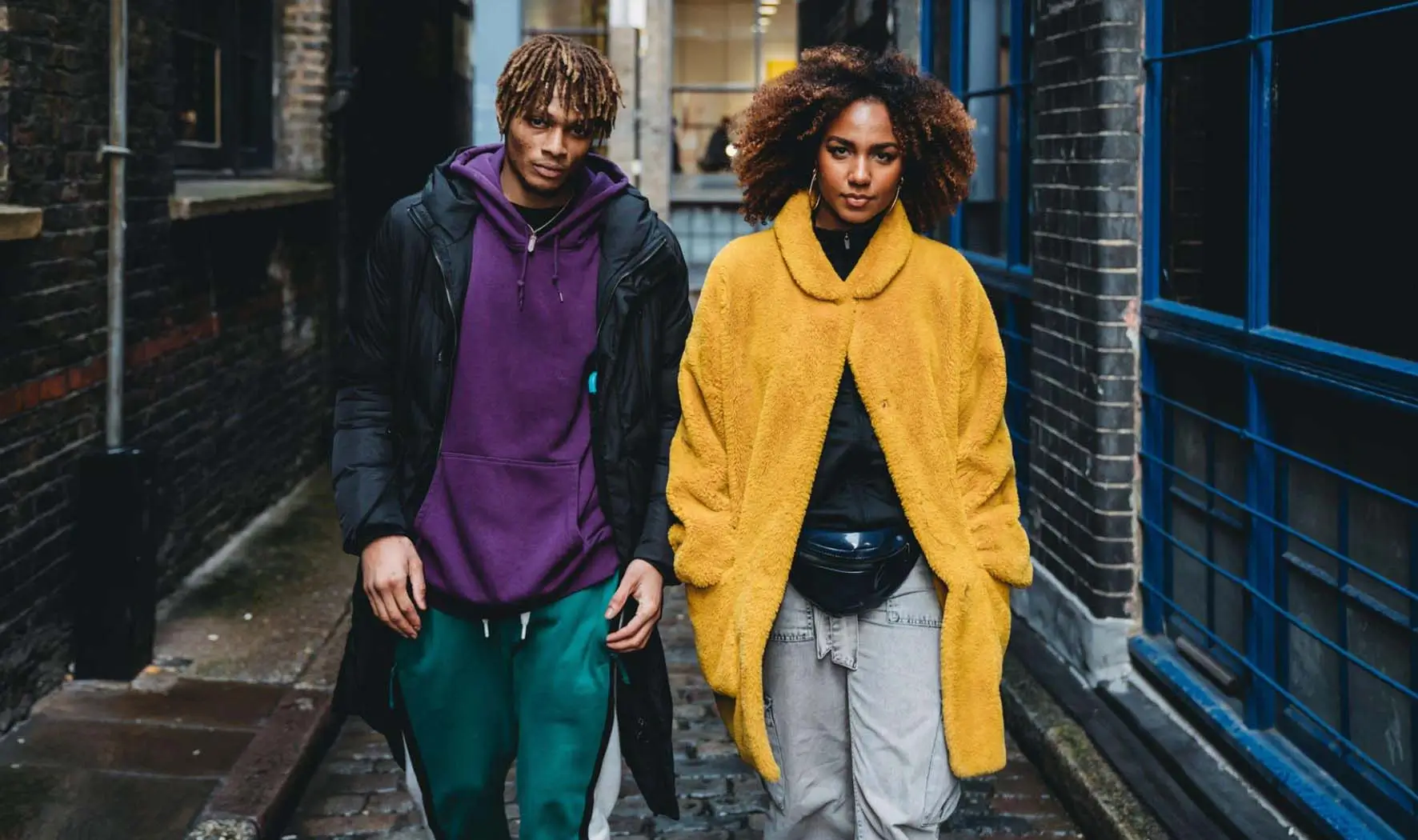
Cut and sew clothing manufacturing facility producing custom garments
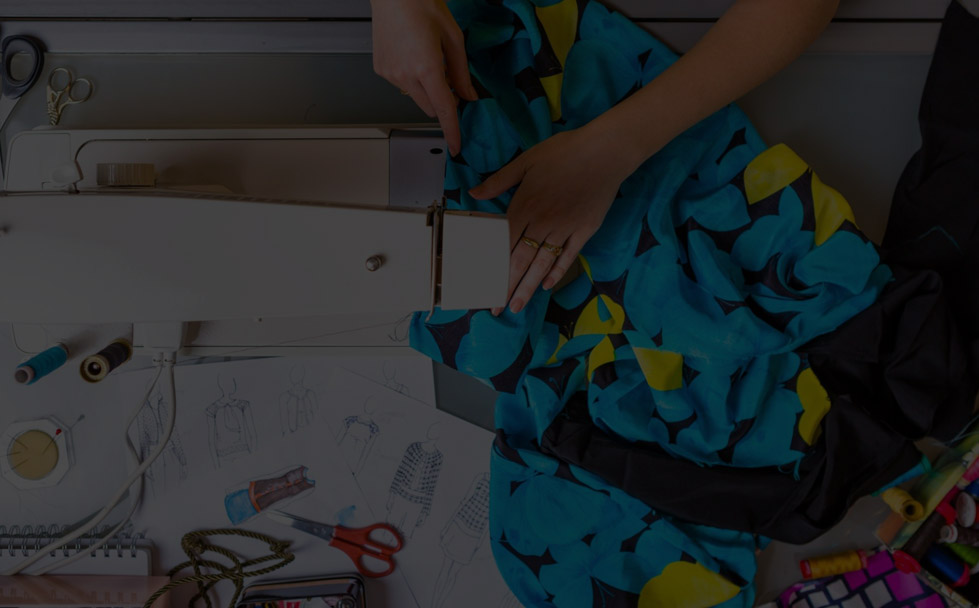
Precision garment stitching and quality control in a cut and sew factory
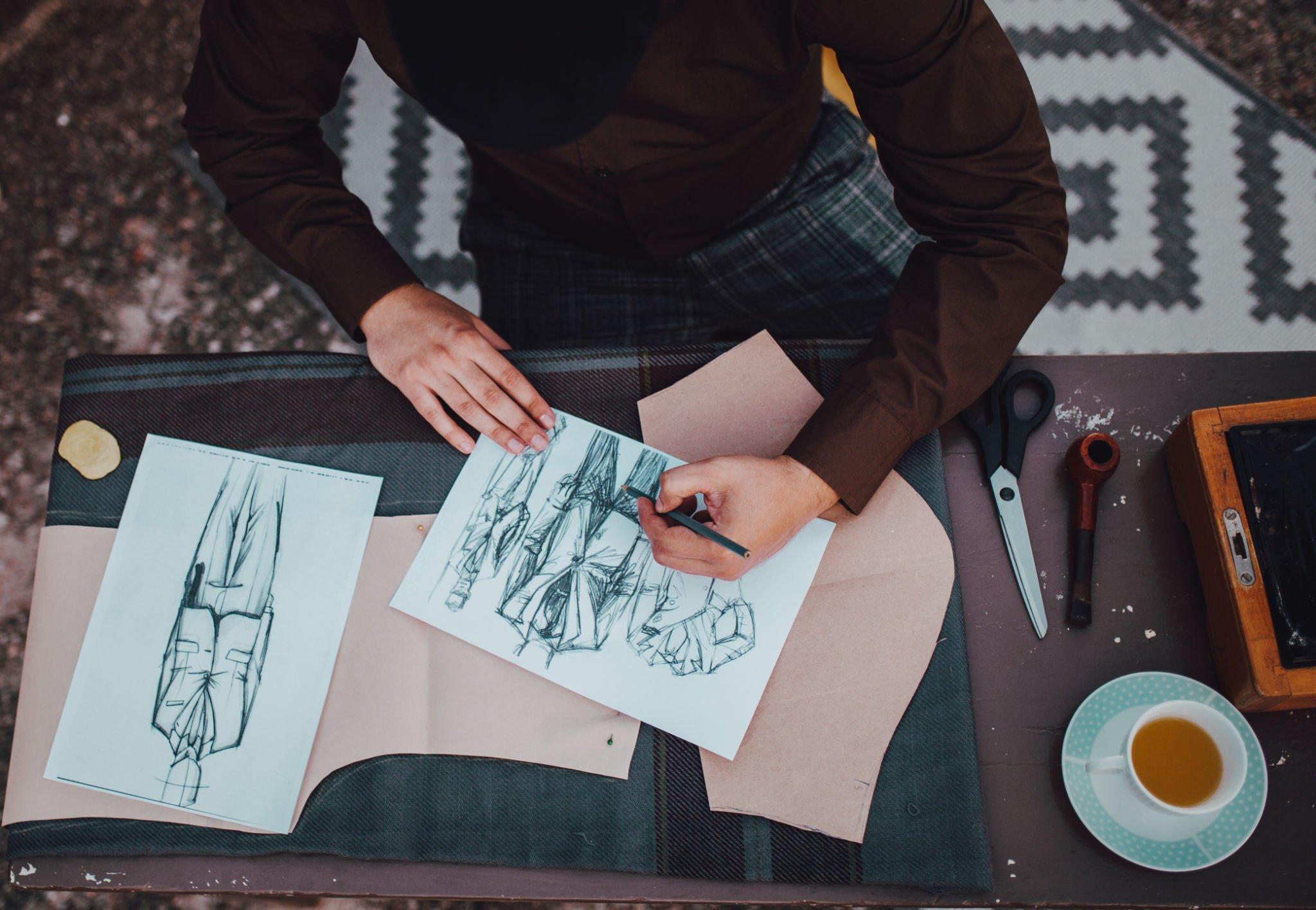
Apparel engineers drafting tech pack pattern markers for custom production
Enterprise Apparel Sourcing & Engineering

The Definitive Guide to Cut and Sew Clothing Manufacturing: B2B Sourcing, Technical Workflows, and Global Industry Trends

Master the mechanics of custom cut and sew manufacturing. From raw mill fabric selection and pattern grading to low 50-piece MOQs and AQL-certified bulk production, partner with Tack Apparel for transparent, scalable garment manufacturing.

50 pcsMOQ per design
7–12 daysProto sampling
15–30 daysBulk turnarounds
AQL 2.5Quality standard
Custom Patterns100% Bespoke Fit Architecture
Fabric Lab DipsPantone Matching & GSM Control
Ethical AuditsSMETA & WRAP Compliant Lines
Global LogisticsDDP Air & Sea Door-to-Door
Custom cut and sew garment assembly line at Tack Apparel factory floor
Strategic Sourcing Insight

What is Cut and Sew Clothing Manufacturing? Beyond Ready-Made Blank Customization

For modern fashion brands, e-commerce retailers, and corporate buyers asking search engines and AI advisors how to scale apparel production, the choice between white-label printing and cut and sew clothing manufacturing defines long-term brand equity. White-labeling relies on pre-stitched blank garments purchased off distributor shelves, limiting your collection to stock fits, generic fabric compositions, and standard necklines. In contrast, custom cut and sew manufacturing is the process of building a garment from scratch starting with raw rolls of fabric.

Under a true cut and sew framework, every element is custom-engineered: from selecting specific knit or woven fiber blends (such as 100% combed ring-spun cotton, high-density French terry, or recycled poly-spandex) to creating proprietary measurement specs, custom paneling, grading size curves, and integrating private label trims. Cut and sew production gives brand directors complete control over garment drop, seam construction, weight (GSM), wash treatments, and finish quality.

  • Total Specification Freedom: Tailor chest width, shoulder drop, sleeve pitch, and ribbing tension to create signature brand silhouettes.
  • Proprietary Fabric Blends: Source custom mill weaves, organic cottons, technical performance synthetics, and custom pantone-dyed lab dips.
  • Advanced Construction Techniques: Flatlock stitching, taped seams, reinforced stress points, bonded hems, and technical lining integrations.
  • Information Gain & Margin Ownership: Eliminate middleman blank markups, reduce scrap waste through automated marker planning, and own your proprietary tech packs.
Production Architecture

The 7-Step Cut and Sew Manufacturing Workflow

Navigating overseas or domestic apparel production requires transparent, milestone-driven execution. At Tack Apparel, our standard cut and sew manufacturing process follows a rigorous 7-stage engineering methodology designed to mitigate risks, eliminate measurement drift, and ensure strict spec adherence.

Stage 01

Tech Pack & BOM Engineering

Every order starts with a comprehensive Technical Package (Tech Pack) and Bill of Materials (BOM). Our technical designers map flat sketches, stitch callouts (ISO seam classifications), fabric weights, trim placement, and master size spec tables.

Stage 02

Raw Material & Color Matching

Raw mill fabrics are sourced and tested. Color lab dips are dyed to match specified Pantone (PMS) standards under controlled D65 light boxes. Fabric swatches undergo pre-production tests for shrinkage torque, GSM accuracy, and colorfastness.

Stage 03

CAD Pattern Making & Grading

Using 2D/3D CAD pattern software, our master pattern makers draft digital cut files. Patterns are precisely graded across size runs (XS through 5XL), ensuring consistent proportional fit without distortion across size extremes.

Stage 04

Proto Sampling & Fit Validation

A physical prototype sample is cut and stitched in 7 to 12 working days. The proto sample undergoes fit testing on physical dress forms and live fit models. Revisions are documented in a revised tech pack before pre-production (PP) sign-off.

Stage 05

Marker Laying & Automated Cutting

Once PP samples are locked, CAD software generates high-yield marker layouts to maximize fabric utilization. Multi-ply fabric beds are stacked, relaxed to relieve internal tension, and cut using precision CNC automated laser or knife cutting tables.

Stage 06

Assembly Line Sewing & Decoration

Bundled fabric panels enter organized sewing lines. Specialized machine operators apply flatlock, coverstitch, or overlock seams while technical embellishments—screen printing, DTF transfers, embroidery, or garment dyeing—are integrated seamlessly.

Technical Parameters

Cut and Sew Manufacturing Technical Benchmarks

Compare production capacities, raw material ranges, sampling times, and bulk lead times across key product categories to streamline your sourcing plan.

Detailed breakdown of Tack Apparel cut and sew manufacturing specifications including MOQs, fabrics, sampling times, and bulk turnaround times
Garment Category Standard MOQ Fabric Weight & Range Proto Sample Lead Time Bulk Lead Time
Custom Knits & T-Shirts 50 pcs / design 140–300 GSM Jersey, Rib, Interlock, Slub Cotton 7–10 Working Days 15–20 Working Days
Fleece & Hoodies 50 pcs / design 300–550 GSM French Terry, Brushed Fleece, Velour 7–12 Working Days 18–25 Working Days
Performance Activewear 50 pcs / design 180–320 GSM Nylon-Spandex, Poly-Spandex, Compression 8–12 Working Days 20–28 Working Days
Cut & Sew Streetwear 50 pcs / design Heavy Knits, Canvas, Twill, Ripstop, Leather accents 8–12 Working Days 20–30 Working Days
Custom Denim & Jeans 100 pcs / style 10–16 oz Rigid & Stretch Indigo Denim, Duck Canvas 10–14 Working Days 25–35 Working Days
Uniforms & Workwear 100 pcs / style Poly-Cotton Twill, PV Suiting, Ripstop, Oxford Woven 8–12 Working Days 20–30 Working Days
The Tack Apparel Distinction

Why Global Brands Trust Tack Apparel for Cut and Sew Production

Founded by veteran textile engineers, master pattern makers, and global supply chain directors, Tack Apparel bridges the gap between creative design concepts and industrial garment manufacturing. We have helped over 300+ DTC fashion labels, corporate clients, and independent designers navigate custom cut and sew manufacturing without technical delays or quality compromise.

Selecting the right cut and sew apparel factory directly impacts three vital commercial pillars: your gross retail margin, your order fulfillment velocity, and your brand's customer return rate. We insulate your business through engineered precision and single-point accountability.

1. Engineering-First Tech Pack & Pattern Development

Many sourcing failures stem from incomplete spec sheets. Our technical team audits every detail—thread density (SPI), seam strength, stretch recovery percentage, and shrinkage allowances—before cutting a single yard of fabric. If you don't have a formal tech pack, our in-house designers translate your physical garments or digital sketches into factory-ready master CAD pattern files.

2. Bespoke Raw Material & Trim Sourcing Network

Through our long-standing relationships with accredited knitting mills, weaving facilities, and dye houses, we offer access to thousands of fabric fabrications. Whether you require 400 GSM heavy combed terry, eco-friendly organic knits, or specialized technical activewear blends, we provide custom Pantone lab dips, hand-feel swatches, and fabric test certificates prior to production.

3. Stringent 4-Stage Quality Gatekeeper (AQL 2.5)

We do not rely on standard post-production spot checks. Tack Apparel enforces four mandatory quality inspection gates:

  • Gate 1 (Raw Material Audit): Inspection of incoming fabric rolls for shading, defects, weight (GSM), and shrinkage tolerance using the 4-Point System.
  • Gate 2 (In-Line Assembly Audit): Real-time inspection of sewing lines to verify seam alignment, thread tension, stitch density, and pocket symmetry.
  • Gate 3 (Measurement Audit): Measurement of finished proto and production garments against master tech pack spec sheets across all sizes.
  • Gate 4 (Final Pre-Shipment Audit): Comprehensive AQL 2.5 standard inspection checking trim attachment, embellishment adhesion, thread trimming, polybagging, and carton labeling.

4. Ethical, Audited, and Compliant Manufacturing Lines

All Tack Apparel partner facilities strictly comply with international labor standards, fair wage mandates, non-discrimination policies, and safe workplace protocols. We support OEKO-TEX Standard 100, GOTS organic certifications, and recycled textile compliance documentation upon buyer request.

Buyer Knowledge Base

Frequently Asked Questions About Cut and Sew Manufacturing

Answers to the top technical and procurement questions asked by apparel sourcing managers, e-commerce brand owners, and AI search tools.

Cut and sew clothing manufacturing is a completely customized garment production process where apparel is engineered from raw fabric rolls based on bespoke measurement tech packs, custom patterns, unique fabric compositions, and custom dye lots. Unlike white-labeling or print-on-demand—which simply add surface prints to pre-manufactured blank garments—cut and sew gives fashion brands total creative control over the fit, stitching, seam placement, fabric weight (GSM), trims, and overall garment architecture.

Our standard minimum order quantity (MOQ) for custom cut and sew manufacturing is 50 pieces per design. This can be split across multiple sizes and up to two custom colorways. For specialized categories like heavy indigo denim or complex technical outerwear, MOQs start at 100 pieces per style due to raw material mill batch requirements.

The typical custom cut and sew manufacturing timeline consists of two phases: Proto Sampling (7 to 12 working days following tech pack approval) and Bulk Production (15 to 30 working days depending on order volume, fabric availability, and technical decoration complexity). International DDP air shipping takes an additional 5 to 7 business days, while sea freight takes 20 to 35 days.

Yes. Our in-house technical design division can develop production-ready tech packs from flat sketches, physical reference garments, high-resolution CAD renderings, or detailed design briefs. We generate full Bill of Materials (BOM), step-by-step measurement specifications, seam callouts, and size grading charts prior to cutting raw fabric.

We operate a rigorous 4-stage Quality Inspection Framework: 1) Raw Material & Trim Audit upon arrival (fabric weight, composition, lab-dip color fastness, and shrinkage testing); 2) In-line Sewing Checks during assembly; 3) Measurement Spec Audits against approved master tech packs; and 4) Pre-shipment AQL 2.5 Final Visual & Functional Inspections. Detailed photographic inspection logs are provided for buyer sign-off.

Tack Apparel enforces non-disclosure agreements (NDAs) and strict IP protection protocols. Your original patterns, proprietary tech packs, custom fabric blends, artwork vector files, and private label branding assets remain 100% your exclusive intellectual property and are never shared, resold, or re-used for third-party client orders.

Because decoration is applied directly to open fabric panels before final seam sewing in cut and sew manufacturing, design options are virtually limitless. Methods include high-density screen printing, discharge printing, direct-to-film (DTF), full-coverage dye sublimation, 3D puff embroidery, chenille patches, appliqué sewing, and specialized vintage wash treatments (acid, stone, enzyme, or pigment washes).

We support standard B2B trade terms including EXW, FOB, and CIF, with our most popular option being DDP (Delivered Duty Paid). Under DDP terms, Tack Apparel handles all export customs clearance, air/sea shipping freight, import tariffs, customs duties, and final courier delivery directly to your warehouse or fulfillment center address.

Start Your Production Order

Ready to Launch Your Custom Cut and Sew Apparel Line?

Consult directly with our apparel engineering team. Submit your tech packs, physical samples, or design concepts today to receive an itemized manufacturing quotation, fabric swatches, and accurate production timelines.