Have any questions? (646) 681-4212  |  sales@www.qtossfashion.com

Blog

10 Tips for Custom Leather Goods Manufacturing

10 Tips for Custom Leather Goods Manufacturing

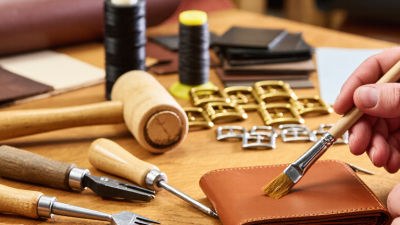
Custom leather goods manufacturing begins long before a workshop cuts its first hide. The process starts with a clear product brief: dimensions, intended use, leather type, hardware, finish, and target quantity. A wallet that feels supple in a sample may stretch after months in a back pocket. A strap may look elegant but fail if its stitching and hardware are poorly matched. Small decisions matter. Fashion designer Vivienne Westwood’s advice, “Buy less, choose well, make it last,” offers a useful standard for custom leather goods. It is not a production formula. Still, it points manufacturers toward durability, thoughtful material choices, and products worth keeping. Clear specifications help teams turn that principle into practical work, from reviewing hide samples to checking edge paint and stitch spacing. A physical prototype can reveal problems that a polished drawing misses. These 10 tips will guide readers through supplier selection, sampling, costing, production planning, and quality checks. They also highlight questions worth asking: Can the supplier explain leather grading? How will color differences between hides be handled? What happens when a sample’s dimensions shift during production? There is no perfect checklist. Even careful plans miss things. But written standards, documented approvals, and realistic timelines make surprises easier to manage. The goal is not merely a handsome sample; it is a consistent product that performs as intended, order after order.
Read more »
Evelyn By:Evelyn - November 19, 2026
How to Find a Custom Cycling Apparel Manufacturer in 2026

How to Find a Custom Cycling Apparel Manufacturer in 2026

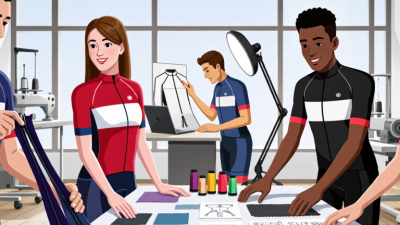
Finding a custom cycling apparel manufacturer in 2026 takes more than comparing prices. The right partner should understand fit, fabric performance, decoration, and production planning. Custom cycling apparel manufacturing works best when your design goals meet the factory’s actual capabilities. A polished website is not proof. Ask for samples, clear specifications, and realistic timelines. Rapha founder Simon Mottram has described the ambition as making “the best cycling clothes in the world.” That standard is useful, even for a small team ordering its first kit. Look closely at the details: gripper width, pocket placement, seam finish, and how a jersey feels in a riding position. Small details matter. Request a sample in your intended fabric, then check its fit after movement and washing. Ask for proof. This guide explains how to assess manufacturers, compare quotes, and avoid common sourcing mistakes. Check minimum order quantities, size grading, artwork requirements, and who handles quality checks. A low unit price may hide costly setup fees or limited revisions. Even experienced buyers can miss a production detail; I would not treat one good sample as a guarantee. Confirm the approved specifications and inspection process before placing an order. The goal is not simply a striking kit. It is a reliable manufacturing relationship that can deliver consistent apparel as your needs grow.
Read more »
Evelyn By:Evelyn - November 16, 2026
China Top 10 Custom Baby Clothing Manufacturers?

China Top 10 Custom Baby Clothing Manufacturers?

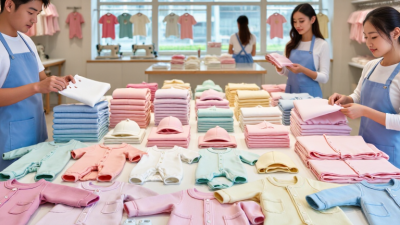
Choosing a supplier for infant apparel involves more than comparing prices or browsing attractive product photos. Fabric feel, seam finish, snap placement, and consistent sizing all matter when garments are made for delicate skin and everyday movement. This guide to China’s top 10 custom baby clothing manufacturers offers a practical starting point for brands exploring production options. It considers factors such as product range, customization, order quantities, sampling, communication, and quality-control processes. Details can vary by factory and should be confirmed directly. Custom baby clothing manufacturing can include fabric selection, printed or embroidered designs, labels, packaging, and size adjustments. Ask for current samples before placing a bulk order. Check how the supplier handles fabric specifications, stitching inspections, defect reporting, and production updates. Request relevant test reports or certificates, then verify their scope and validity rather than relying on a logo alone. Clear answers are a good sign. Vague promises are not. A manufacturer that suits a small startup may not fit an established retailer’s volume or timeline. Compare written quotes carefully, including sample fees, minimum quantities, shipping terms, and expected lead times. Rankings are only a guide; capabilities and business details can change. I would treat any shortlist as a prompt for further checks, not a final verdict. The right partner is usually the one whose samples, communication, and documented processes match your product needs—not simply the one with the lowest price.
Read more »
Amelia By:Amelia - November 9, 2026
China Top 10 Custom Swimwear Manufacturers?

China Top 10 Custom Swimwear Manufacturers?

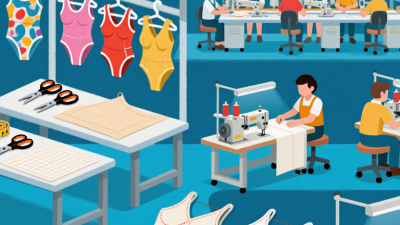
China’s swimwear supply chain spans fabric mills, pattern studios, sample rooms, and large-scale production lines. For brands, finding a suitable partner means looking beyond a polished product photo. Custom swimwear manufacturing depends on fit development, stretch recovery, color consistency, and reliable quality checks. Small details matter: a twisted strap or uneven seam can change how a swimsuit performs in water. Grand View Research estimated the global swimwear market at USD 20.7 billion in 2023 and projected a 9.1% compound annual growth rate from 2024 to 2030. This market estimate signals commercial opportunity, not guaranteed demand for every brand. Still, numbers do not tell the whole story. A factory’s minimum order quantity, sampling speed, fabric sourcing, and communication can matter more to a growing label than headline capacity. This guide to China’s top 10 custom swimwear manufacturers offers a practical starting point for supplier research. It considers product range, customization, production capability, and quality processes, while recognizing that public information can be incomplete or change over time. No list can replace direct checks. Request recent samples, confirm specifications in writing, and ask how the manufacturer handles fit revisions and defects. The “best” factory may not be the biggest; it may be the one that can reproduce your approved sample consistently. That distinction is easy to overlook.
Read more »
Clara By:Clara - November 4, 2026
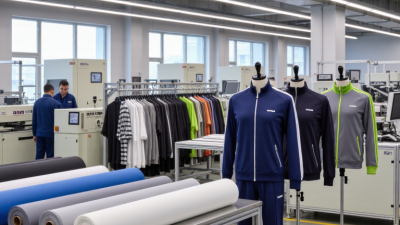
7 Best Custom Tracksuit Manufacturers for Global Buyers

7 Best Custom Tracksuit Manufacturers for Global Buyers

Global demand for performance apparel is expanding, but a growing market does not guarantee a reliable supplier. Grand View Research estimated the global sports apparel market at approximately US$213.8 billion in 2023, with projected growth through 2030. For buyers, that scale creates opportunity—and more choices to evaluate. Custom tracksuit manufacturing depends on practical details: fabric consistency, fit grading, decoration quality, production capacity, and dependable delivery. Material choices deserve close attention. Textile Exchange’s Materials Market Report 2024 estimated that polyester represented about 57% of global fiber production in 2023. That figure highlights why buyers should ask manufacturers about fabric composition, recycled-content claims, testing, and documentation—not just color cards. A sample that looks good under showroom lights may feel different after repeated washing. Small details matter. This guide reviews seven custom tracksuit manufacturers for global buyers, focusing on capabilities that can be checked: product range, customization options, sampling process, quality controls, and communication. It also considers whether a supplier can explain minimum order quantities and timelines clearly. No supplier is perfect. A polished website is not proof of consistent production, and an attractive quote may leave important costs unclear. Use the shortlist as a starting point, then verify claims directly, request a sample, and confirm specifications in writing before placing an order.
Read more »
Evelyn By:Evelyn - October 30, 2026
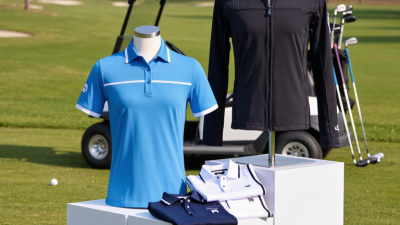
Top Custom Golf Apparel Manufacturers for Global Buyers

Top Custom Golf Apparel Manufacturers for Global Buyers

Choosing the right partner for Custom golf apparel manufacturing requires more than comparing unit prices. Global buyers must examine fabric performance, production consistency, communication, and responsible sourcing. A polished polo may look impressive online, yet its collar can curl after washing, or its fabric may feel heavy during a humid tournament. As golf apparel specialist Jeff Sheets observes, “Performance begins with the fabric, but trust begins with the factory.” This principle matters when evaluating manufacturers across different regions. Buyers should request physical samples, detailed size charts, laboratory test reports, and clear production timelines. They should also inspect embroidery density, seam finishing, color matching, and packaging quality. Small details reveal factory discipline. Reliable manufacturers understand the golfer’s environment. Lightweight recycled polyester may suit hot fairways, while brushed layers can support cooler resort courses. Moisture control matters. So does movement. Still, no supplier is perfect. A strong sourcing decision leaves room for questions and correction. Buyers should discuss minimum order quantities, sampling charges, inspection procedures, and after-sales support before signing an agreement. They should also verify whether a factory can reproduce the same color across repeated orders. The best partners do not simply promise speed. They document processes, explain limitations, and respond when results fall short. This guide examines leading manufacturers for global buyers, focusing on customization capability, quality control, production flexibility, and dependable communication.
Read more »
Evelyn By:Evelyn - October 25, 2026
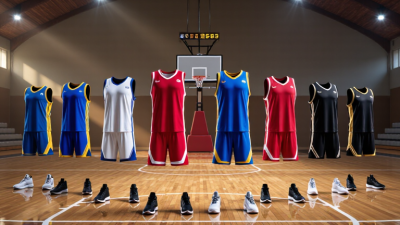
China Top Custom Basketball Jersey Manufacturer?

China Top Custom Basketball Jersey Manufacturer?

Choosing the China Top Custom Basketball Jersey Manufacturer requires more than comparing factory prices. It requires evidence. A reliable supplier should show real production lines, fabric samples, stitching details, and completed team orders. Look closely at the neckline. Check the seam strength. Examine how printed numbers survive repeated washing. These small details reveal manufacturing discipline. In Custom basketball jersey manufacturing, performance depends on balanced decisions. Polyester weight affects breathability. Mesh placement influences airflow. Dye-sublimation supports detailed designs, while stitched elements add texture and durability. A factory should explain these differences clearly, not hide behind attractive catalogs. Sportswear product-development consultant John M. Hines says, “A jersey is successful when design, comfort, and production accuracy meet on the court.” That principle sounds simple. It is often neglected. The best Chinese manufacturers usually offer sampling before bulk production. They confirm measurements, color references, logos, labels, packaging, and delivery schedules. They also document quality inspections. This reduces misunderstandings between artwork approval and finished garments. Still, no supplier gets every detail right. A sample can pass inspection while bulk production reveals uneven thread tension or slight color variation. That possibility deserves honest discussion. Buyers should request pre-production samples, measurable tolerances, and photographs from different production stages. This guide examines how to evaluate China-based jersey manufacturers, from factory capability and fabric selection to customization technology and after-sales support. It focuses on practical signals rather than impressive promises. The right partner should not only produce attractive jerseys. It should produce consistent jerseys, communicate quickly, and accept responsibility when something needs improvement.
Read more »
Amelia By:Amelia - October 15, 2026
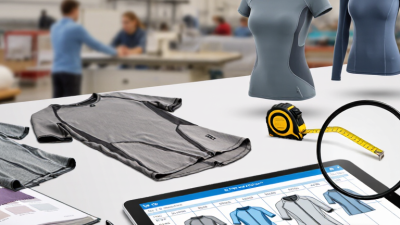
How to Choose a Custom Gym Clothing Manufacturer?

How to Choose a Custom Gym Clothing Manufacturer?

Choosing the right Custom gym clothing manufacturing partner can shape your brand’s reputation before the first shipment arrives. A soft training shirt may look simple, yet its fabric weight, stretch recovery, stitching, labeling, and wash performance require careful decisions. One weak seam can split during a squat. Poor colorfastness can disappoint customers after one laundry cycle. Apparel sourcing expert Robert Antoshak offers a useful reminder: “The product is the brand.” That principle matters when comparing factories. A reliable manufacturer should explain fabric composition, sample revisions, minimum order quantities, production timelines, and quality inspections without hiding behind vague promises. Ask for physical samples. Touch the fabric. Stretch the waistband. Check whether the printed logo cracks after repeated movement. Experience matters here. You also need evidence, not confident language. Review the factory’s previous gymwear projects, testing procedures, communication habits, and ability to manage small corrections. Certifications can support credibility, but they should not replace direct verification. A polished website proves very little. The cheapest quotation may become expensive later. Rejected stock, delayed launches, inconsistent sizing, and replacement orders can quietly damage cash flow. Still, no manufacturer is perfect. A factory may have excellent sewing skills but limited color development. Another may offer fast production but weaker communication. That trade-off deserves honest reflection. This guide explains how to compare suppliers, assess technical capability, and protect your investment. It also examines questions many buyers forget to ask before signing a production agreement. The right partner should not merely make clothing. They should help turn your performance-wear concept into dependable products customers can wear, wash, and trust.
Read more »
Amelia By:Amelia - October 10, 2026
10 Tips for Custom Denim Jeans Manufacturing

10 Tips for Custom Denim Jeans Manufacturing

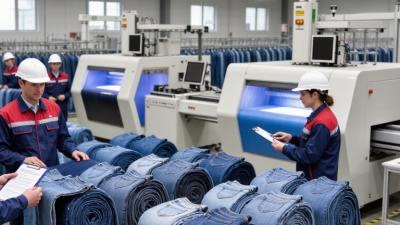
Custom denim jeans manufacturing is no longer only about selecting a fashionable wash. It involves fabric engineering, fit testing, production control, and measurable environmental decisions. Textile Exchange’s Materials Market Report 2024 states that cotton represented approximately 22% of global fiber production in 2023. That figure shows cotton’s continuing importance, but it also raises difficult questions about farming, traceability, and resource use. Levi Strauss & Co.’s lifecycle assessment estimated that one pair of jeans can consume about 3,781 liters of water across its life cycle. The number is not a universal industry average. Still, it reveals where better design can matter. Wash recipes, recycled fibers, laser finishing, and reduced laundering can change the factory’s footprint. Denim authority Adriano Goldschmied has said, “Denim is a way of life.” The statement sounds simple. Manufacturing it responsibly is not. This guide presents ten practical tips for Custom denim jeans manufacturing, from choosing the right fabric weight to checking shrinkage after repeated washing. It considers sampling accuracy, seam strength, grading, hardware quality, and supplier communication. Small errors become expensive when production reaches thousands of pairs. A pocket placed two centimeters too low can change the entire silhouette. A poorly tested enzyme wash can weaken the fabric before retail delivery. No factory plan is perfect. A “sustainable” claim can still hide incomplete data. Buyers should request test reports, fiber certificates, wash records, and corrective-action evidence. These steps support the E-E-A-T principles through practical experience, technical knowledge, credible sources, and transparent limitations. The goal is not merely attractive jeans. It is dependable denim with fewer avoidable surprises.
Read more »
Clara By:Clara - October 5, 2026
Why Choose Cut and Sew Clothing Manufacturing?

Why Choose Cut and Sew Clothing Manufacturing?

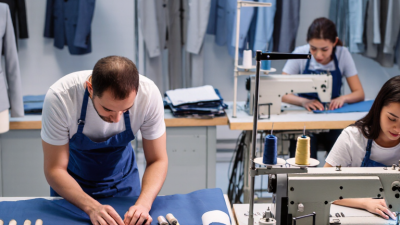
Why Choose Cut and Sew Clothing Manufacturing? Cut and sew clothing manufacturing turns a design concept into a physical, testable garment. Each piece begins with fabric selection, pattern development, cutting, stitching, pressing, and inspection. The process allows brands to control details that ready-made blanks often cannot match. These details include seam placement, sleeve shape, pocket depth, lining, and label position. Fashion expert Tim Gunn offers a practical principle: “Make it work.” That advice fits this production method. A skilled team can adjust a paper pattern after a fitting, change seam allowances, or strengthen a stress point. The result is more responsive than mass-produced clothing. It can also support small collections, distinctive silhouettes, and gradual product development. Real experience matters here. A sample may look attractive on a screen but feel restrictive across the shoulders. Cut and sew production is not automatically cheaper or easier. Fabric waste, sampling costs, labor quality, and minimum order quantities require careful planning. One uneven hem can affect the whole appearance. One poorly chosen fabric can change the garment’s drape completely. Reliable manufacturers document measurements, inspect stitching, and test samples before bulk production. Still, perfection is not guaranteed. Mistakes can happen, and honest evaluation remains necessary. For brands seeking control, flexibility, and a clearer connection between design and craftsmanship, this manufacturing approach offers a strong, practical path.
Read more »
Amelia By:Amelia - September 30, 2026
China Top 10 Custom Streetwear Manufacturers for Global Buyers

China Top 10 Custom Streetwear Manufacturers for Global Buyers

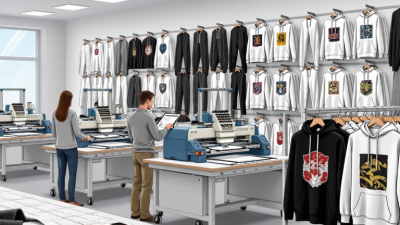
Choosing a streetwear manufacturer is not just a search for a low unit price. Global buyers need partners who can turn a design into consistent garments, from the first sample to repeat orders. Custom streetwear production often involves heavyweight fleece, accurate screen prints, embroidery placement, custom labels, and size grading that holds up across a full run. Small details matter. This guide compares ten manufacturers through practical questions: What products do they specialize in? Can they support sampling and private labeling? How do they explain minimum order quantities, lead times, quality checks, and communication? Fashion designer and sustainability advocate Orsola de Castro has said, “The most sustainable garment is the one already in your wardrobe.” Her point is a useful reminder: durable construction and clear specifications can matter as much as a striking graphic. A polished website, however, cannot prove factory capacity or guarantee delivery dates. Buyers should request current samples, confirm specifications in writing, and check how defects or delays are handled before committing. Real trade-offs remain. A factory may offer flexibility but require longer lead times; another may move quickly but limit fabric choices. This top-ten overview is a starting point, not a substitute for due diligence. Compare each supplier against your product, budget, order size, and timeline, then verify important claims directly with the manufacturer.
Read more »
Clara By:Clara - September 25, 2026
How to Choose a Custom T Shirt Manufacturer?

How to Choose a Custom T Shirt Manufacturer?

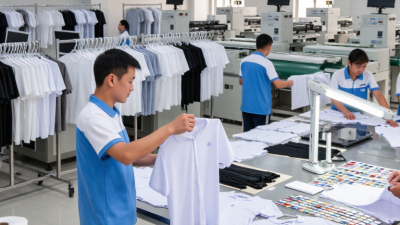
Choosing the right custom T-shirt manufacturer can shape your product quality, delivery schedule, and customer trust. A low quote may look attractive, but it can hide weak fabric, inconsistent sizing, or limited production control. Custom T-shirt manufacturing requires more than uploading artwork and approving a price. It involves material selection, pattern accuracy, printing methods, stitching, packaging, and reliable communication. Start by examining the manufacturer’s real production experience. Ask for recent samples, not only polished catalog images. Feel the fabric, inspect the collar seam, and compare the printed colors under natural light. A trustworthy supplier should explain fabric weight, shrinkage, colorfastness, minimum order quantities, and production timelines clearly. Certifications and documented quality procedures can provide useful evidence, although paperwork alone cannot guarantee excellent results. Factory photographs, video inspections, and references may reveal more. A practical manufacturer should also handle revisions professionally. Request a pre-production sample before approving bulk manufacturing. This small step can expose problems with artwork placement, sleeve length, or fabric behavior after washing. Mistakes happen. The important question is how quickly and honestly the supplier addresses them. I have seen buyers focus too heavily on unit price and regret ignoring communication delays. That choice often creates higher costs later. Compare several suppliers using the same specifications. Review their equipment, workforce capacity, ethical standards, and ability to meet your market’s requirements. A dependable partner will not promise everything immediately. They will ask detailed questions. The best decision balances quality, transparency, capacity, and long-term reliability rather than chasing the cheapest offer.
Read more »

Evelyn By:Evelyn - September 21, 2026