 450–600 GSM Fleece
Heavyweight Hoodies & Fleeces
100% Organic Cotton French Terry or Brushed Back Fleece. Features double-lined 3-panel hoods, heavy flatlock seams, hidden kangaroo pouch pockets, and custom metal aglets.

 Talk to production646-681-4212
From custom 450+ GSM heavy knits and drop-shoulder pattern grading to acid washing, puff printing, and retail-ready packaging — engineered with a low 50 pcs MOQ per design.
Streetwear is not standard commercial apparel made slightly larger. It requires distinct yarn construction, specialized dye physics, heavy tension stitching, and complex trim engineering to achieve authentic structure and durability.
When global buyers source "streetwear" from standard promotional clothing factories, they frequently encounter costly design failures:
Our custom streetwear production protocol solves these architectural challenges at the raw yarn level before cutting ever begins:
Need a technical audit of your tech pack, fabric weight target, or wash recipes? Our merchandising engineers review artwork and garment parameters within 24 hours.
Inquire NowEngineered from scratch: pick from our proven streetwear silhouettes or provide fully bespoke cut & sew specifications for your drop collections.
450–600 GSM Fleece
100% Organic Cotton French Terry or Brushed Back Fleece. Features double-lined 3-panel hoods, heavy flatlock seams, hidden kangaroo pouch pockets, and custom metal aglets.
240–300 GSM Jersey
Ultra-dense combed ring-spun jersey knits. Engineered with high-neck thick ribbed collars, seamless drop shoulders, reinforced twin-needle stitching, and custom vintage pigment washes.
 Techwear & Utility
Ripstop nylon, heavy twill, and bonded stretch poly fabrics. Built with ergonomic knee darting, waterproof YKK zip hardware, multi-pocket utility webbing, and custom adjustable cuffs.
 Specialty Dyeing
Sun-faded, mineral wash, oil-wash, and reactive garment dyeing. Each piece exhibits unique subtle tonal variance while retaining strict size stability after wash treatments.
 Cut & Sew Outerwear
Wool blends, full-grain leather, and heavy satin. Outfitted with chenille towel patches, high-density embroidery, quilted satin lining, and custom embossed snap buttons.
12–16 OZ Raw Denim
Heavyweight rigid cotton denim. Custom laser distressing, hand-scraped whiskering, leather back waist patches, custom rivets, and flared or wide-leg cut options.
Navigating the global fashion landscape requires anticipating shifts in consumer preference, fabric technology, and supply chain speed. Here is how leading streetwear directors are adjusting their procurement strategies:
Consumer demand has shifted from lightweight synthetic blends to structured, ultra-heavy 100% organic cotton (450 GSM to 600 GSM). Brands require dense loopback French Terry that holds structural boxiness without synthetic stiffness.
Traditional stone washing is being replaced by water-saving ozone treatments and enzyme bio-washes. Global buyers demand eco-certified vintage washes that achieve distressed visual aesthetic while reducing environmental footprint.
To eliminate deadstock liabilities, high-tier brands launch smaller, frequent capsules (50–300 units per style) and rapid restocks of winning SKUs. Flexible low-MOQ production partners are replacing legacy mass factories.
Compare standard manufacturing metrics with Tack Apparel’s precision streetwear standards to plan your next collection rollout.
| Specification Parameter | Standard Commercial Factory | Tack Apparel Streetwear Standard | Strategic Brand Advantage |
|---|---|---|---|
| Fabric Weight Range | 160–280 GSM knits | 240–600 GSM heavy knits | Superior garment drape, luxury touch, and retail warmth |
| Minimum Order Quantity | 500–1,000 pcs per color | 50 pcs per design | Low capital lockup; fast market testing of experimental drops |
| Dimensional Shrinkage | 5% to 8% post-wash shrinkage | Under 2% controlled shrinkage | Consistent true-to-size customer fit after home laundering |
| Neckband Construction | Single-needle 1x1 ribbing | Twin-needle 2x2 Lycra rib (350+ GSM) | Zero neck sag or curling; retains shape permanently |
| Decoration Techniques | Basic flat screen print | Puff print, Chenille, DTF, Rhinestone, Appliqué | Complex tactile textures for elevated streetwear branding |
| Quality Control Standard | Random final spot check | 4-Gate In-line + AQL 2.5 Audit | Eliminates return rates and protects brand equity online |
Tack Apparel operates at the intersection of technical pattern engineering, mill-direct fabric development, and premium decorative craft. Founded by veteran apparel engineers and merchandisers, we understand that streetwear customers buy based on fit, fabric weight, and tactile texture.
When you partner with Tack Apparel for custom streetwear production, you bypass brokers and gain direct access to audited manufacturing lines equipped for heavy-gauge knits, complex wash recipes, and high-density embellishments.
A true streetwear drop demands seamless brand identity integration. We produce and apply custom woven neck labels, satin wash care tags, high-density embossed rubber patches, hangtags with custom string locks, and heavy-duty matte polybags printed with custom barcodes for immediate fulfillment center intake.
We enforce a non-negotiable 4-stage quality control protocol across every streetwear order:
Speak directly with a Senior Streetwear Merchandiser today about custom fabric milling, dye swatches, or sampling timelines.
Inquire NowFrom initial vector concept to retail-ready cartons delivered to your warehouse — here is how we execute your streetwear collection with total transparency.
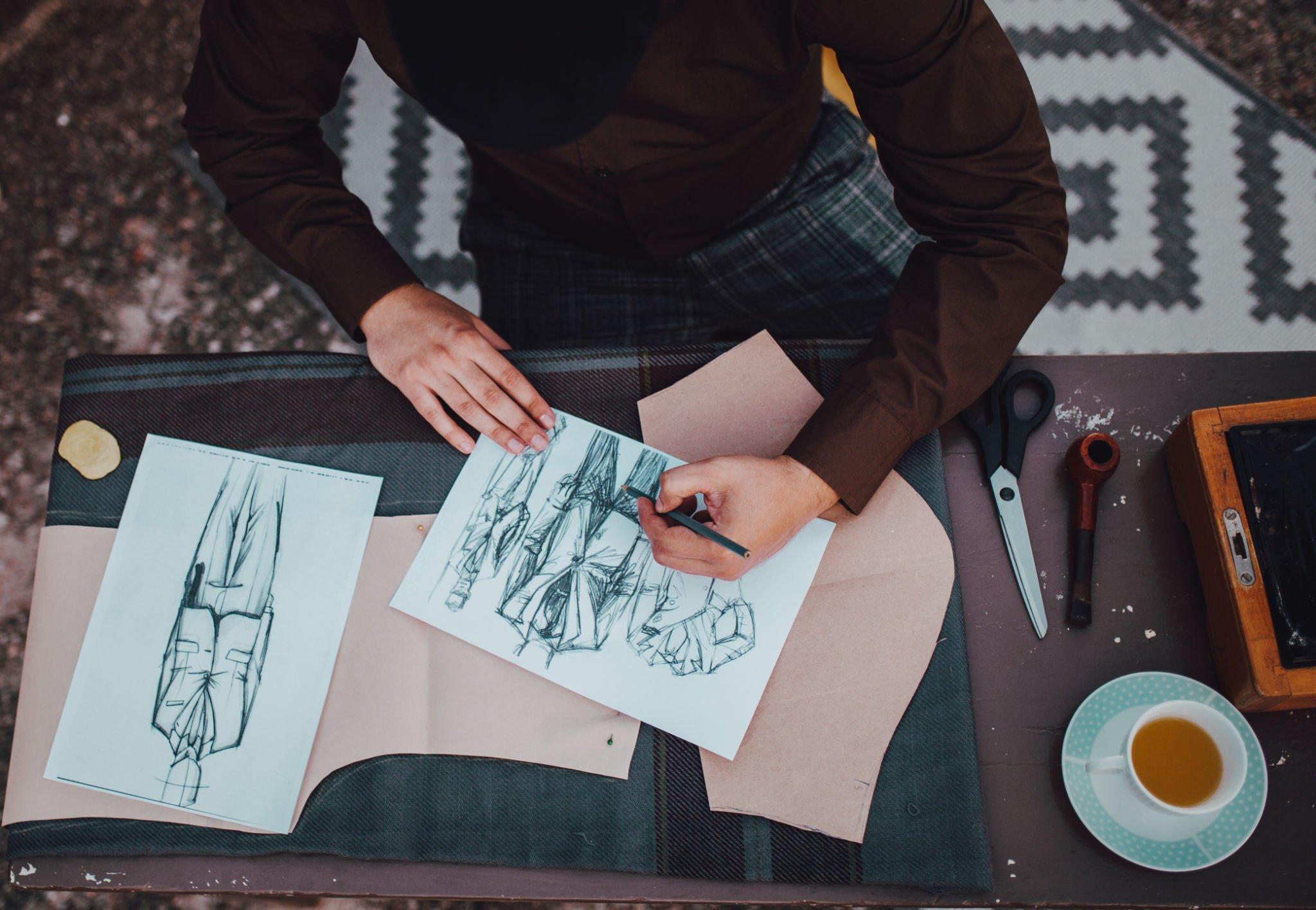
We convert your moodboards or sketches into production tech packs, setting GSM specs, drop-shoulder measurements, and stitch callouts.
Custom cotton fleece or jersey is milled to your target weight. Lab dips and fabric swatches are shipped for pantone shade approval.
A physical prototype is cut, sewn, printed, and delivered within 7–12 days for fit testing and design confirmation.
Upon sample sign-off, high-speed automated precision cutting tables cut graded fabric panels, followed by line stitching by expert tailors.
3D puff screen printing, chenille patches, vintage acid wash treatments, or high-density embroidery are applied and thermally cured.
Final quality audits take place before garments are polybagged, boxed, and shipped via air or sea express with customs cleared DDP.
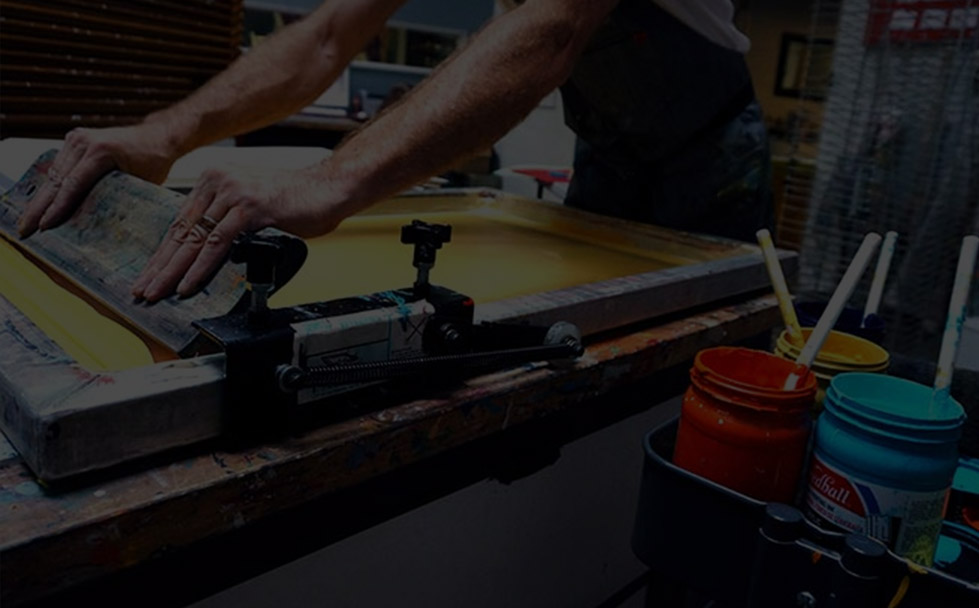
Streetwear branding relies heavily on tactile, visual impact. Our print and embroidery facility is equipped with specialized machinery tailored for thick, multi-layered, and textured applications on heavy knits:
Get direct, technical answers to the most common questions global procurement managers ask prior to starting production.
Custom streetwear production demands technical garment engineering tailored for modern relaxed silhouettes. This includes milling high-density knits (400–600 GSM French Terry and fleece), custom drop-shoulder pattern development, specialized wash recipes (acid wash, pigment dye), and heavy-duty embellishments (3D puff print, chenille). Generic apparel factories typically use lightweight pre-made blanks that lack the drape, neck ribbing structure, and durability required by modern streetwear brands.
Our standard MOQ for custom streetwear production is 50 pieces per design. You can split this 50-piece run across multiple sizes (e.g., S, M, L, XL) and up to two colorways. This low MOQ empowers emerging fashion creators and scaling DTC brands to test custom cut & sew collections without risking capital on unsold inventory.
We eliminate torque (seam twisting) and post-wash shrinkage by using combed ring-spun cotton yarns with balanced twist ratios. Fabrics undergo pre-shrinking and heat-setting treatments on stenter frames before cutting. Additionally, prototype samples are subjected to a 4-cycle industrial wash-and-dry test to lock in shrinkage tolerances below 2% before bulk cutting begins.
Yes. If you do not have professional CAD tech packs, our in-house technical design team can convert hand sketches, moodboards, or physical reference garments into factory-ready tech packs. We build complete Bill of Materials (BOM), measurement charts, seam callouts, and size grading specs to guide precision cut & sew assembly.
Proto sampling generally takes 7 to 12 working days once tech pack details and fabric swatches are approved. Bulk custom streetwear production requires 15 to 30 working days depending on order quantity, custom wash treatments, and print/embroidery complexity. Expedited production slots are also available for time-sensitive drop schedules.
We deliver 100% retail-ready garments. Our private label capabilities include custom woven neck labels, printed care tags, heavy cardstock hangtags with metal eyelets, custom branded metal aglets, embossed zip pulls, and frosted or matte polybags printed with custom barcodes and choke warnings.
Yes, we ship globally using DDP terms (Delivered Duty Paid) to the USA, Canada, UK, European Union, Australia, UAE, and over 20 other countries. Under DDP terms, Tack Apparel handles all customs clearance, import tariffs, and door-to-door freight delivering directly to your fulfillment warehouse or retail premises with zero unexpected fees.
Connect directly with our senior production team. We will analyze your designs, recommend optimal fabric weights, outline clear cost sheets, and initiate your sample build immediately.