
 Talk to production646-681-4212 Talk to production646-681-4212
 Full-spectrum sublimation manufacturing solutions—from high-density paper film and automated digital equipment to fully customized polyester apparel and coated hard-goods.
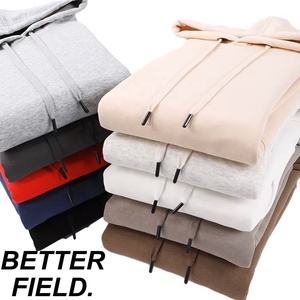
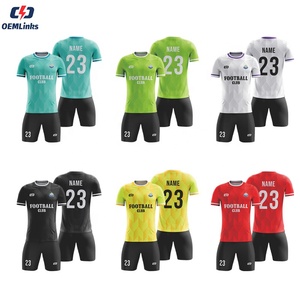
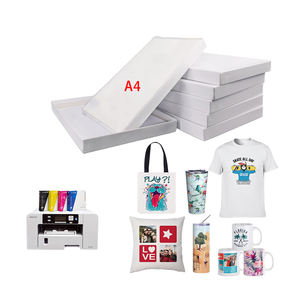
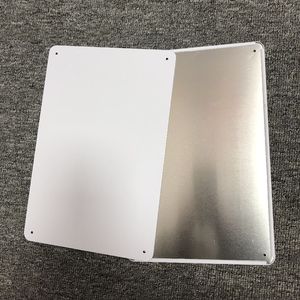
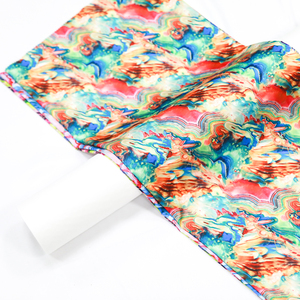
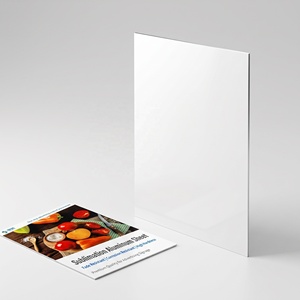
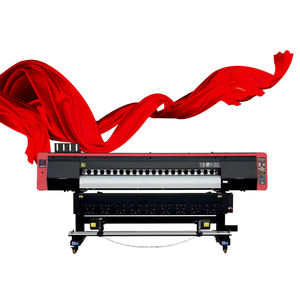
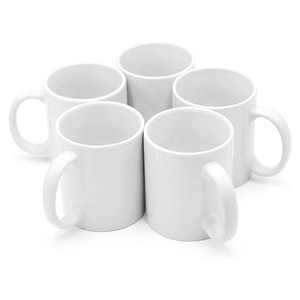
Eliminate supply chain friction. We combine tech-pack pattern engineering, automated multi-head dye-sublimation lines, and stringent AQL quality inspection under one vertical infrastructure.
Every sublimation batch undergoes four inspection stages: raw fabric GSM & thermal reaction check, print alignment audit, post-press wash fastness test (ISO 105-C06), and final pre-pack measurement verification.
Lower your inventory risk. Launch limited drops with as low as 50 pieces per design across multiple size curves. Seamlessly scale to 10,000+ unit bulk runs without repeating setup costs or re-engineering patterns.
Our in-house design team transforms rough artwork, raster files, or physical reference garments into vector vector tech-packs with accurate grading rules, seam call-outs, and ICC color profile calibration.
Zero hidden fees. We itemize fabric GSM weight, paper transfer consumption, ink volume, cut-and-sew labor, and DDP freight upfront. Color separation and pattern digitizing fees are charged once and archived for lifetime reorders.
Utilizing non-toxic, OEKO-TEX Standard 100 certified water-based disperse dye inks. Guaranteeing zero harmful heavy metals, zero water pollution, skin-friendly safety, and exceptional UV fade resistance.
Complete logistics governance covering air express, air freight, and ocean shipping. Customs clearance, import duties, and local last-mile delivery are managed seamlessly across North America, EU, and Australasia.
Unlike surface-level screen printing or direct-to-garment (DTG) ink deposits, true industrial dye-sublimation relies on a thermal phase-transition phenomenon. Under controlled thermomechanical conditions—typically 190°C to 215°C (374°F–419°F) with pneumatic pressures ranging from 4.0 to 6.0 bar—solid dispersed dye particles printed on high-release transfer paper bypass the liquid state entirely, sublimating instantly into a reactive gas phase.
Simultaneously, the synthetic polymer fibers (such as poly-ester matrix, nylon blends, or poly-coated hard substrates) reach their glass transition temperature ($T_g$). The molecular structure of the polymer matrix expands, creating micro-voids. The sublimated dye gas permeates deep into the open polymer core. Upon exiting the heat press dwell period (typically 25 to 45 seconds), the fibers cool down immediately, sealing the dye molecules permanently inside the polymer lattice.
| Substrate Material | Optimal Temp (°C) | Dwell Time (Sec) | Pressure (Bar) | Key Performance Attribute |
|---|---|---|---|---|
| 100% Polyester Performance Knit | 195°C – 205°C | 25 – 35s | 4.5 Bar | Zero hand-feel, 100% breathability, Grade 5 wash fastness |
| Poly-Spandex Stretch (Activewear) | 190°C – 198°C | 25 – 30s | 3.8 Bar | Anti-grinning elastomeric recovery, anti-cracking stitch lines |
| 1060 Aluminum Sheets & Tin Signs | 200°C – 210°C | 40 – 50s | 5.5 Bar | High-gloss, scratch-resistant, 1440 DPI photo clarity |
| Polymer-Coated Ceramic Mugs (11oz) | 205°C – 215°C | 180 – 220s | Pneumatic Wrap | Dishwasher-safe, micro-porous glaze adhesion |
As a master OEM/ODM factory partner, Tack Apparel enforces rigorous color matching standards. Utilizing advanced spectrophotometers (X-Rite Ci64) and custom ICC profiles built specifically for each fabric GSM and transfer paper density, we maintain a strict color variance tolerance of ΔE < 1.0 between approved lab dips and high-volume production runs.
Understanding market shifts allows procurement directors and fashion founders to outpace market changes. Here is where the global digital sublimation landscape is heading over the next five years.
Global environmental legislation and consumer demand are accelerating the shift toward post-consumer recycled polyethylene terephthalate (rPET). Sublimation is uniquely suited for rPET because dye-sublimation inks bond seamlessly with recycled polymer chains without requiring water-intensive pre-treatments or chemical fixers. Modern OEM factories must offer GRS-certified (Global Recycled Standard) yarn options.
Traditional heavy-coated sublimation papers absorb excessive ink, leading to lower transfer efficiency and paper cockling. The industry is adopting ultra-thin 45–65 GSM micro-porous quick-dry papers engineered with nano-silica release layers. These papers achieve over 98% ink release efficiency, delivering richer black densities while consuming up to 20% less ink volume.
The era of slow multi-pass scanning printheads is giving way to single-pass industrial dye-sublimation print engines equipped with 8 to 16 Kyocera or Epson PrecisionCore printheads. Operating at speeds exceeding 600 m²/hour, modern factory lines allow B2B buyers to order customized short-run capsules with lead times as short as 15 business days.
Forward-thinking OEM/ODM partners maintain cloud-synced digital pattern libraries and nested marker files for every brand client. When a hero product sells out, reorder signals trigger direct automated laser cutting and printing workflows without requiring renewed physical sample cycles.
Selecting the optimal apparel decoration method is critical for margin optimization, wash durability, and brand positioning. The comparative matrix below outlines how sublimation compares against alternative commercial decoration techniques.
| Evaluation Vector | Dye-Sublimation | Screen Printing | Direct-to-Garment (DTG) | Direct-to-Film (DTF) |
|---|---|---|---|---|
| Primary Fabric Suitability | 100% Poly / Poly-blends | Cotton, Fleece, Canvas | 100% Combed Cotton | Universal (Cotton, Poly, Blends) |
| Graphic Detail & Colors | Unlimited photorealistic continuous tone | Spot color / Limited gradients | High CMYK detail | High detail with white backing |
| Hand-Feel & Breathability | Zero hand-feel (Dye integrated) | Thick plasticizer feel | Soft to moderate feel | Slight plastic membrane feel |
| Peeling & Cracking Risk | Zero (Permanent dye bond) | Moderate (Over wash cycles) | Low-moderate | Moderate (High heat dryer exposure) |
| Cost at Low Volumes (50-100 pcs) | High Efficiency (No screen setups) | High unit cost (Setup heavy) | Moderate-High | Highly Efficient |
| Color Fastness Rating | Grade 4.5 – 5 (ISO Standard) | Grade 3.5 – 4.0 | Grade 3.0 – 4.0 | Grade 3.5 – 4.0 |
Clear, technical answers to common questions asked by international buyers, product developers, and supply chain managers.
Our standard minimum order quantity is 50 pieces per design, which can be split across standard size curves (S through 3XL) and up to two colorways. For specialized hard-goods such as sublimated metal signs, aluminum sheets, or ceramic blanks, MOQ starts at 100 units depending on substrate dimensions and custom coating parameters.
Direct dye-sublimation requires synthetic polymer fibers (minimum 65% polyester content recommended) to open their molecular structure under heat and bind with gaseous disperse dyes. Natural cotton lacks these polymer chains. For 100% cotton garments requiring vibrant graphics, we recommend our specialized Screen Printing, DTG, or high-definition DTF transfer solutions.
Ghosting occurs when transfer paper shifts against the fabric during press release. We eliminate ghosting by utilizing sticky sticky-tack sublimation paper that temporarily adheres to the fabric under heat and releases cleanly. Ink bleeding and shrinkage are controlled by pre-shrinking raw fabric rolls prior to cutting and calibrating press dwell times with precision industrial flatbed presses.
First-off pre-production samples (proto samples) are produced and dispatched in 7 to 12 working days following vector artwork and tech pack sign-off. Bulk production runs typically require 15 to 30 working days depending on total order volume, complex cut-and-sew panelling, and specific packaging requirements.
Yes. Every order is fully customized to your retail standard. We offer custom woven neck labels, satin wash-care labels, branded swing tags, barcode sticker application, custom printed polybags, and retail-ready packing boxes. Everything arrives at your distribution center fully prepped for immediate fulfillment.
Simply click any of our live inquiry buttons to connect directly with a dedicated merchandising engineer. You can upload your design sketches, tech packs, or reference images along with desired quantities. We will evaluate your specs and provide an itemized cost sheet and production timeline within 24 hours.
From tech-pack pattern engineering and color-matched laboratory swatches to low-MOQ bulk manufacturing. Elevate your product line with industrial accuracy.