
 Talk to production646-681-4212 Talk to production646-681-4212
 Engineered with precision pattern grading, low 50-piece MOQs, and retail-ready private labeling.
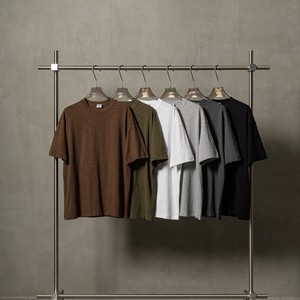
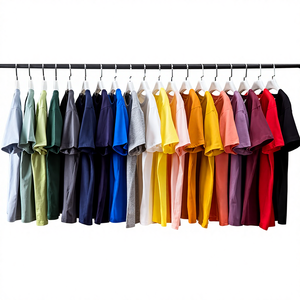

Navigating the complex matrix of global apparel supply chains requires more than just identifying low unit pricing. Modern fashion brands, boutique lines, DTC e-commerce platforms, and corporate clients demand manufacturing partners capable of delivering exceptional Information Gain, technical precision, fabric integrity, and agile lead times. Below is an exhaustive industry evaluation of the top custom garment manufacturers and exporters defining global standards today.
Leading facilities (such as Tack Apparel / Qtoss Supply Chain) bridge the gap between creative concept and commercial bulk execution. Offering 50-piece low minimum order quantities (MOQs), comprehensive tech pack engineering, and cut-and-sew customization under one roof, these hubs minimize supply chain friction for fast-scaling brands.
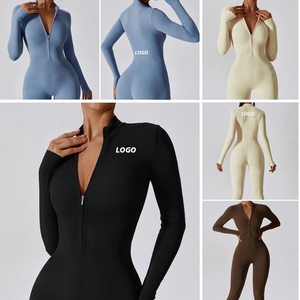
Specialized activewear exporters focus heavily on yarn innovation, 4-way stretch nylon-spandex blends, moisture-wicking coatings, and flatlock anti-chafing seams. Essential for premium yoga studio sets, compression wear, and athletic jumpsuits.
Exporters tailored specifically to streetwear labels focus on high-GSM fabrics (250 GSM to 500 GSM), including French Terry fleece, drop-shoulder silhouettes, vintage garment-dyeing, and specialized 3D puff screen printing.
To help purchasing executives, sourcing directors, and fashion entrepreneurs evaluate strategic partners, the following comparative matrix outlines key capabilities across primary export zones:
| Manufacturer Tier / Region | Standard MOQ | Proto Sampling | Bulk Lead Time | Quality Assurance Gate | Core Specialization |
|---|---|---|---|---|---|
| Tack Apparel / Integrated Hubs | 50 pcs / design | 7 - 12 Days | 15 - 30 Days | 4-Stage AQL 2.5 Inspection | Cut & Sew, Private Label, Tech Packs |
| East Asian Mass Producers | 500 - 1,000 pcs | 15 - 25 Days | 45 - 60 Days | Final Batch Sampling | Mass Basic Tees & Synthetic Outerwear |
| South Asian Textile Mills | 300 - 500 pcs | 14 - 20 Days | 35 - 50 Days | In-line Seam Audit | Woven Cotton, Denim & Toweling |
| European Boutique Exporters | 100 - 250 pcs | 10 - 18 Days | 25 - 40 Days | Manual Piece Inspection | Luxury Tailoring & Fine Leather Goods |
Building high-converting, durable garments requires strict adherence to textile engineering principles. Our manufacturing infrastructure is purpose-built to eliminate common sourcing pitfalls such as fabric shrinkage, color fading, seam slippage, and size grading discrepancies.
We convert rough sketches, mood boards, or reference physical samples into production-ready technical packages containing exact measurement specifications, Bill of Materials (BOM), trim placements, and pattern grading rules.
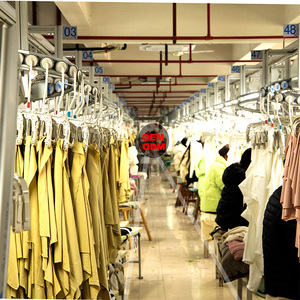
Every order undergoes rigorous quality verification: raw material fabric audit upon arrival, in-line stitching checks during assembly, measurement sheet audit, and a final AQL 2.5 pre-packing inspection with detailed photographic reporting.
Custom woven neck labels, satin wash care tags, hangtags with customized barcodes, branded polybags, and custom shipping boxes are integrated directly into the assembly line to ensure products arrive 100% retail-ready.
Committed to social accountability and environmental compliance. We utilize GOTS-certified organic cotton, OEKO-TEX Standard 100 non-toxic dyes, recycled polyester (rPET), and ensure audited fair wage practices across all sewing lines.
The global apparel manufacturing market is undergoing a seismic shift driven by technological advances, consumer sustainability expectations, and supply chain volatility. Purchasing managers and brand directors must align their procurement strategies with several overarching trends shaping the next decade:
Traditional procurement models required ordering thousands of units per style to achieve viable unit economics, creating massive cash-flow tie-ups and deadstock risks. The modern model prioritizes agile micro-batches (50 to 300 pieces). Brands validate new collections through live market feedback, scaling production on fast-replenishment schedules (15-day turnarounds) to maximize sell-through and protect gross margins.
Before physical fabric is cut, advanced 3D CAD modeling (such as CLO 3D and Optitex) allows designers and technical developers to simulate fabric drape, tension, seam strain, and print scaling digitally. This innovation reduces physical prototyping rounds from 3 or 4 iterations down to a single physical pre-production sample, cutting product development timelines by up to 60%.
With tightening European and North American ESG regulations (such as digital product passports), garment exporters must provide transparent supply chain verification. Modern buyers prioritize vendors who can supply certification for raw materials—including Global Recycled Standard (GRS), Organic Content Standard (OCS), and zero-water usage garment dyeing processes.
Screen printing is increasingly augmented by Direct-to-Film (DTF) transfers and high-density 3D puff embroidery. Activewear sourcing heavily leans toward full-bleed sublimation printing where pigment bonds permanently with synthetic fibers at a molecular level, preventing cracking or peeling during extreme athletic use.
Understanding category-specific manufacturing shifts enables sourcing teams to specify optimal materials, weight, and construction details during tech pack generation.
Streetwear aesthetics continue to favor heavy fabrics: 220-260 GSM combed cotton for basic t-shirts, and 400-500 GSM French terry or brushed fleece for hoodies. Double-stitched ribbed collars, drop shoulders, and pre-shrunk enzyme washes are critical standard specifications.
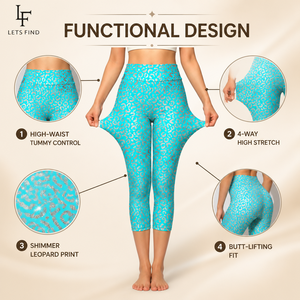
Activewear production relies on high-gauge interlock knits composed of 75% Nylon and 25% Spandex. Key features include double-brushed finishes for a soft, second-skin feel, high-waist tummy control bands, and gusseted crotch seams for maximum tear resistance during strain.
Emerging fashion labels focus on custom cut-and-sew detailing, unique colorways via Pantone TCX matching, custom branded hardware (metal aglets, laser-engraved buttons, branded zippers), and specialized packaging solutions for high unboxing value.
Below are authoritative responses to common inquiries encountered by buyers, sourcing agents, and brand managers during custom garment manufacturing.
Connect with our senior apparel engineering team to evaluate tech packs, sample turnaround options, and transparent factory costing for your upcoming custom collection.