Talk to production646-681-4212 Talk to production646-681-4212
 Explore top-tier custom apparel configurations engineered for private labels, streetwear drops, corporate lines, and high-performance athletic brands.
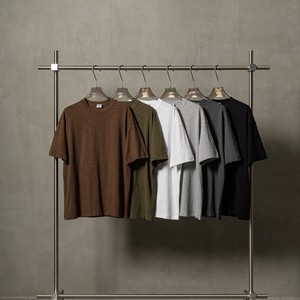
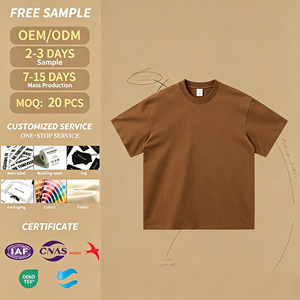
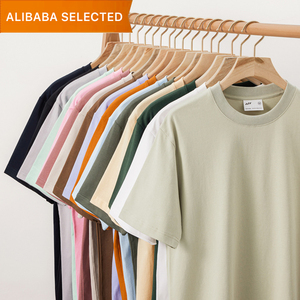
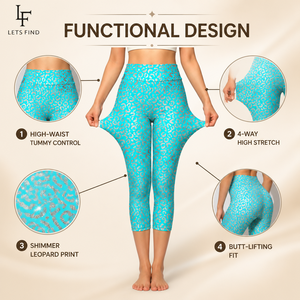
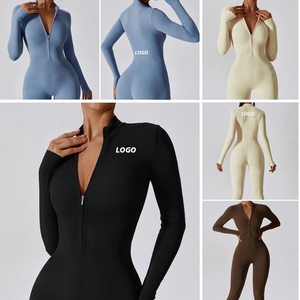
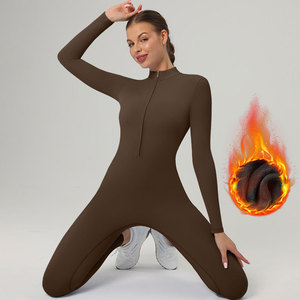
In the rapidly evolving global fashion ecosystem, procuring decorated apparel requires far more than basic garment sourcing. Brand owners, purchasing directors, and supply chain executives must understand the precise technical synergy between fabric substrates, screen printing chemistries, and cut-and-sew precision. As China's textile ecosystem shifts toward automated digital integration, screen printing factories have transformed from simple manual workshops into high-precision engineering hubs.
Screen printing remains the gold standard for apparel decoration due to its unsurpassed color vibrance, wash fastness, and cost efficiency at scale. However, achieving high-gain quality across diverse garment ranges—from heavy 250-500 GSM cotton fleeces to high-stretch polyester-spandex activewear—demands rigorous process control over ink formulation, mesh tension, durometer squeegee selection, and thermal curing windows.
Modern OEM apparel manufacturing utilizes four primary screen printing methodologies, each tailored to specific fiber structures and tactile requirements:
The industry benchmark for opaque graphics on dark 100% cotton garments. Plastisol inks do not dry naturally; they cure at precisely 300°F–320°F (149°C–160°C). Ideal for crisp, heavy-graphic streetwear prints requiring sharp pantone color accuracy.
Formulated for ultra-soft hand-feel and high breathability. Water-based inks sink directly into the fiber matrix rather than sitting on top, fulfilling strict eco-compliance standards such as OEKO-TEX Standard 100 and GOTS certification.
Uses an activating agent (ZFS) to strip reactive dyes from 100% cotton fabrics, replacing them with custom pigments. Results in zero tactile print weight, keeping heavy 280+ GSM knits soft and breathable.
When screen printing on synthetic fabrics such as polyester bodysuits or nylon-spandex yoga leggings, dye sublimation migration poses a significant quality risk. At temperatures above 260°F, disperse dyes within synthetic fibers volatilize and bleed upward into the printed ink layer, discoloring white or bright graphics.
Top-tier Chinese screen printing facilities eliminate this flaw by applying low-bleed digital blocker underbases. A carbon-infused barrier layer is printed prior to topcoat application, guaranteeing color integrity through 50+ industrial laundering cycles.
High-detail halftone printing and fine-line typography rely on automated screen stretching. Maintaining a frame tension of 25–35 Newtons/cm prevents screen drag and registration drift across multi-color designs.
Global apparel procurement is undergoing a paradigm shift. B2B buyers no longer evaluate suppliers solely on piece-rate pricing; success is measured by lead-time agility, tech pack fidelity, low minimum order quantities (MOQs), and sustainable manufacturing transparency. Leading China screen printing factories are adapting through four major structural trends:
Brands validate trends using 50-piece low-MOQ runs, scaling up to 10,000-unit bulk runs once sell-through data confirms market demand.
Direct laser exposure bypasses film positives, cutting screen prep time from hours to minutes and eliminating registration errors entirely.
Combining screen-printed white underbases with high-speed digital DTF top coats delivers photographic detail alongside superior durability.
Global chemical compliance mandates non-PVC inks, guaranteeing eco-friendly safety across consumer markets in the US, EU, and Australia.
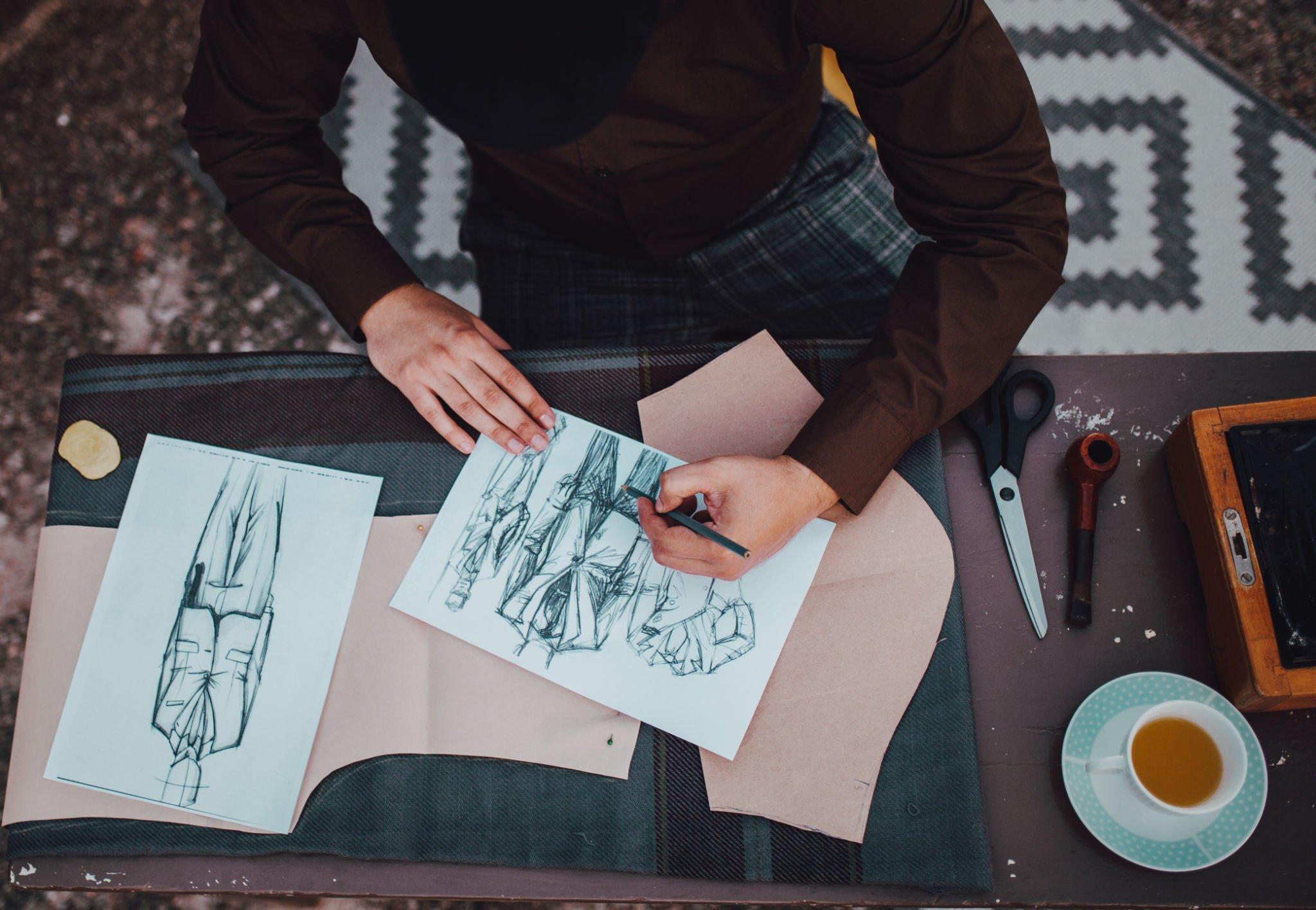
In traditional manufacturing, disconnects between designer sketches and production patterns frequently caused fit discrepancies, poor logo placement, and extended sampling cycles. Advanced factories now require comprehensive Tech Pack Specifications prior to cutting fabric. By establishing digitized measurement charts, Bill of Materials (BOM), stitch density standards (SPI), and precise art placement coordinates, manufacturers achieve first-proto approval rates exceeding 95%.
As a verified OEM/ODM custom clothing manufacturer built by seasoned apparel engineers, pattern makers, and print specialists, our operations eliminate sourcing risks through a rigorous, standardized quality matrix. We support startups, growing DTC brands, and global enterprise retailers with full transparency from initial yarn selection to final polybagging.
We enforce the international AQL 2.5 Standard across all cut-and-sew and screen printing production lines:

Test new designs and colorways without locking excessive capital in unsold inventory. Split your order across size curves and up to two colorways.
Turn sketches or tech packs into physical proto samples fast, allowing rapid review and pattern adjustment before bulk production.
Streamlined production capacity management ensures predictable lead times, helping brands hit critical marketing drop schedules.
Review standard baseline specs across product categories. Exact lead times and order minimums are finalized upon tech pack approval.
| Product Category | Standard MOQ | Recommended Fabric Weight | Compatible Decoration | Bulk Lead Time |
|---|---|---|---|---|
| Heavyweight T-Shirts | 50 pcs / design | 220 – 280 GSM Cotton | Screen Print (Plastisol/Discharge) | 15 – 20 Days |
| Hoodies & Sweatshirts | 50 pcs / design | 350 – 500 GSM French Terry / Fleece | High-Density Puff / 3D Embroidery | 20 – 25 Days |
| Activewear & Leggings | 50 pcs / design | 220 – 300 GSM Poly/Nylon Spandex | Sublimation / Low-Bleed Heat Transfer | 20 – 28 Days |
| Custom Tracksuits | 50 pcs / design | 250 – 340 GSM Poly Interlock / Fleece | Cut & Sew Paneling / Screen Print | 20 – 28 Days |
| Denim & Workwear | 100 pcs / design | 12 – 16 oz Rigid Cotton Denim | Laser Wash / Leather Patch / Rivets | 25 – 35 Days |
A retail-ready garment requires total brand cohesion. Beyond primary screen printing and cut-and-sew operations, we offer integrated private label finishing solutions to prepare products directly for direct-to-consumer (DTC) fulfillment or boutique retail distribution:
Essential insights for brand procurement managers, tech pack developers, and apparel buyers sourcing from China.
Our baseline minimum order quantity is 50 pieces per design. This allows startup brands and established labels to test custom fits, specialized screen prints, and premium fabrics with low initial inventory risk. You can split this quantity across standard sizes (e.g., S, M, L, XL) and up to two colorways depending on fabric availability.
Print cracking is caused by incomplete polymer cross-linking during thermal curing. We prevent this by routing all garments through continuous industrial conveyor dryers calibrated with digital temperature probes. Inks undergo mandatory cross-hatch tape adhesion tests and 50-cycle accelerated machine wash trials prior to bulk packing.
Yes. Our in-house technical design team can transform rough sketches, mood boards, or physical sample garments into complete, factory-ready tech packs. We build digitized pattern grading tables, measurement specification sheets, and vector artwork placement maps before cutting fabric.
First proto samples are completed within 7 to 12 working days following tech pack confirmation and fabric lab dip approval. Bulk production generally takes 15 to 30 working days, depending on total garment volume, print complexity, and custom dyeing requirements.
We utilize the standard Pantone Matching System (PMS / TPG / TCX). Screen print inks are mixed using computerized pigment scales to achieve precise color matches. For custom-dyed fabrics, we issue physical lab dips (A, B, C options under D65 standard light boxes) for client approval prior to dye house bulk runs.
We offer flexible global shipping terms including DDP (Delivered Duty Paid), EXW, FOB, and CIF. DDP shipping handles customs clearance, import duties, and final truck delivery straight to your warehouse in the United States, Canada, Europe, Australia, or the UK.
Partner with a verified China screen printing and cut-and-sew manufacturing specialist. Submit your tech pack or design concepts today to receive an itemized quote within 24 hours.
Get a Quote