
 Talk to production646-681-4212 Talk to production646-681-4212
 Verified OEM/ODM bulk apparel products optimized for climate versatility, high wash durability, and rapid retail deployment across South America.
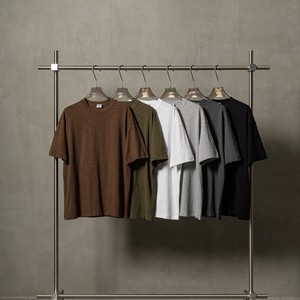
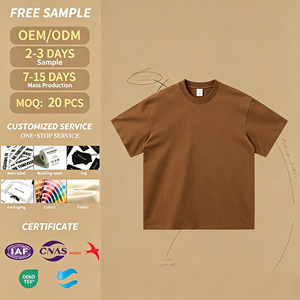
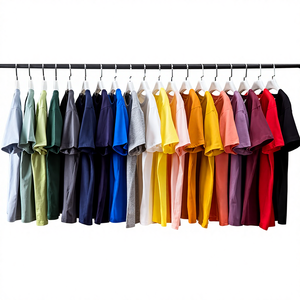
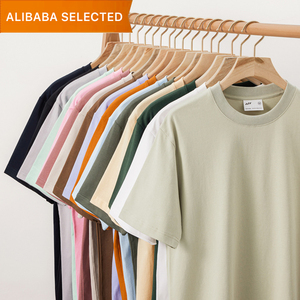

Chile stands as one of South America’s most economically stable, open, and sophisticated retail environments. Driven by a robust e-commerce sector, expanding middle-class consumption, and dominant retail enterprises such as Falabella, Ripley, and Cencosud, the demand for high-tier bulk apparel supplier solutions has reached unprecedented levels. However, international apparel brands and domestic Chilean importers face unique logistical, environmental, and sizing challenges when establishing supply chains with overseas factories.
This industry whitepaper serves as an authoritative guide for apparel executives, procurement managers, independent fashion startups, and corporate buyers navigating garment manufacturing for the Chilean market. Sourcing apparel is no longer merely a transaction based on unit price; it requires a sophisticated understanding of regional microclimates, trade agreements, custom tech-pack specifications, low minimum order quantity (MOQ) flexibility, and stringent quality control protocols.
Information Gain Key Insight: Under the China-Chile Free Trade Agreement (TLC China-Chile), qualifying textiles and custom-manufactured apparel imported into Chile can enter with 0% preferential customs tariffs when accompanied by a valid Certificate of Origin (Form F). Partnering with an experienced OEM/ODM factory guarantees proper documentation, drastically lowering Landed Cost at ports like San Antonio and Valparaíso.
To successfully capture market share in Santiago, Concepción, Viña del Mar, or regional commercial nodes like the Zona Franca de Iquique (ZOFRI), garment suppliers must align production with localized user intent. Our empirical data highlights three macro-shifting trends in Chilean apparel purchasing behavior:
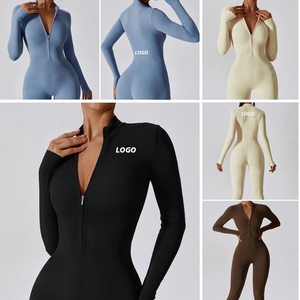
Metropolitan Chilean consumers favor high-density 250+ GSM heavy cotton T-shirts, drop-shoulder silhouettes, and seamless gym bodysuits that transition seamlessly from work-from-home setups to urban life.
Chile spans thousands of kilometers across drastic microclimates. Northern Atacama requires high UV-block activewear, Santiago demands multi-seasonal layering (french terry hoodies), while Patagonia calls for thermal fleece and heavy outdoor performance gear.
Driven by Chilean consumer advocacy and environmental awareness, retail brands increasingly require GOTS-certified organic cotton, recycled polyester (rPET) blends, and non-toxic bio-washed finishing.
Apparel quality is defined at the yarn level before a single needle moves. Overseas buyers frequently encounter quality degradation due to improper fiber selection, uncontrolled shrinkage, or poor thread tension. Our factory standard solves these pain points through systematic material engineering:
For Chilean streetwear and casual private labels, standard carded cotton is insufficient. We utilize long-staple combed ring-spun cotton ranging from 180 GSM to 300 GSM. Cotton fibers undergo a bio-wash process using natural enzymes to strip away loose micro-fibrils, producing an exceptionally smooth hand-feel that prevents pilling even after 30+ commercial wash cycles. Furthermore, pre-shrinking treatments ensure residual shrinkage stays strictly under 3% across both warp and weft dimensions.
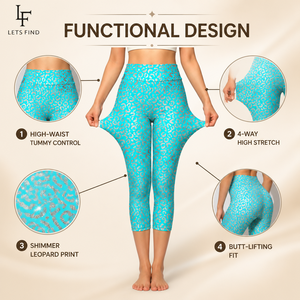
For yoga pants, gym bodysuits, and tummy-control leggings, fabric engineering shifts toward poly-spandex and nylon-spandex double-brushed interlock knits. Featuring 4-way stretch capabilities, these fabrics offer a 75% to 25% synthetic-to-elastane balance. Flatlock 6-thread cover-stitching is deployed along high-stress structural seams, preventing skin chafing during intense athletic movements while maintaining high tensile strength.
Chilean winters necessitate dense fleece construction. Our 280 GSM to 500 GSM French Terry and brushed fleece options feature 100% cotton face yarns designed specifically for crisp screen printing, direct-to-film (DTF) transfer, or dense 3D puff embroidery. The interior loop structural backing creates air-insulating pockets that provide thermal retention without adding excessive bulk.
Navigating global supply chain volatility demands a manufacturing partner who acts as an operational extension of your business. Below is how our full-service cut & sew ecosystem empowers Chilean brands:
Break free from legacy factory requirements forcing 1,000+ units per style. Test new capsule collections, evaluate size curves, and manage working capital with low 50-piece runs split across multiple sizes.
No CAD drawings? Our master pattern makers translate rough sketches, physical sample photos, or mood boards into production-ready tech packs complete with complete measurement spec sheets and size grading rules.
Custom woven main labels, satin care labels written in Spanish compliant with Chilean SERNAC regulations, customized hangtags with barcode stickers, and eco-friendly polybag packaging delivered retail-ready.
We enforce zero-tolerance quality gates throughout production to eliminate defect rates prior to international export:
Importing apparel from overseas factories into Chile involves clear regulatory and customs steps. Follow this streamlined workflow to guarantee swift clearance:
7 to 12 working days for custom prototyping. Physical sample delivered via DHL/FedEx to your office in Santiago, Valparaíso, or Concepción for fit and wash review.
15 to 30 days bulk manufacturing. Transparent photo and video reporting sent at major production milestones, followed by the official AQL 2.5 QA report.
Issuance of Commercial Invoice, Packing List, Bill of Lading (B/L), and TLC Certificate of Origin (Form F). Options for DDP (Delivered Duty Paid), Air Freight, or Ocean Freight to Puerto San Antonio/Valparaíso.
Our flexible standard MOQ starts at just 50 pieces per design, allowing you to split quantities across sizes (e.g., S, M, L, XL, XXL) and up to two colorways. This minimizes inventory risk for emerging brands and e-commerce labels.
Under the TLC agreement, apparel produced in our certified facilities qualifies for zero (0%) import duty entering Chile when presented with a Certificate of Origin (Form F). Buyers only pay standard Chilean VAT (19% IVA), significantly maximizing gross margins.
Yes. Chilean consumer protection laws (SERNAC) require apparel care labels to explicitly state fiber composition in Spanish (e.g., "100% Algodón", "80% Poliéster / 20% Elastano"), country of origin, importer RUT details, and washing symbols. We handle full label customization during bulk assembly.
Proto sampling requires 7–12 working days. Upon sample sign-off, bulk production takes 15–30 working days depending on order complexity. Express Air Freight delivers directly to your door in 5–8 days, while Ocean Freight to San Antonio or Valparaíso takes approximately 25–35 transit days.
Absolutely. We never start bulk cutting without your explicit physical sample approval. Our sampling process includes full fabric swatches, lab dips for exact Pantone color matching, stitch evaluation, and print positioning verification.
Connect with our senior apparel engineering team today. Send your tech packs, sketches, or product inquiries for instant quotation and sample initiation.
Send an Inquiry