
 Talk to production646-681-4212 Talk to production646-681-4212
 Tailored for corporate offices, retail chains, fitness studios, and luxury hospitality venues across Tokyo's core commercial centers.
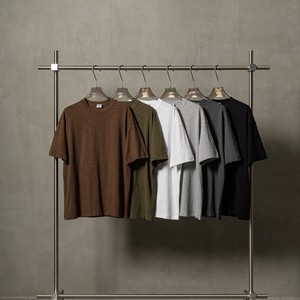
Ultra-soft 220–260 GSM knits engineered with zero-shrinkage tech. Ideal for Shibuya retail brands and tech firm team apparel.
Get a Quote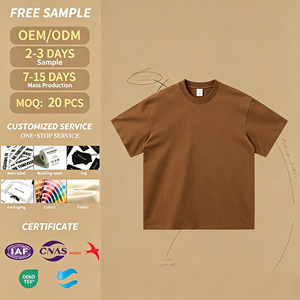
Custom paneling with moisture-wicking stretch fleece. Designed for Tokyo sports clubs, fitness chains, and modern promotional crews.
Get a Quote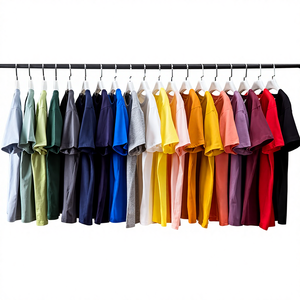
Precision 3D puff and high-density logo stitching. Suited for Harajuku boutique staff and Ginza service sector branding.
Get a Quote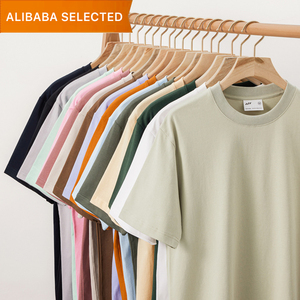
Contemporary oversized silhouettes fitting Tokyo's streetwear aesthetics. Double-needle stitched neck ribbing for shape retention.
Get a Quote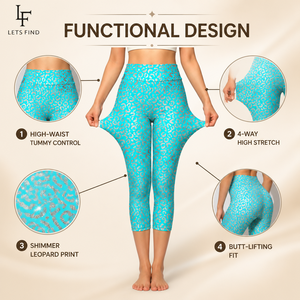
Four-way stretch poly-spandex with squat-proof density. Customized for Tokyo boutique yoga studios, pilates hubs, and gym chains.
Get a Quote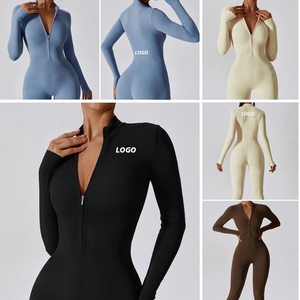
Seamless ergonomic construction with anti-chafing flatlock seams. High-performance activewear crafted for urban sport staff.
Get a Quote
Insulated, breathable warm-tech fabrics for outdoor promotional events, winter venues, and Tokyo outdoor event management crews.
Get a Quote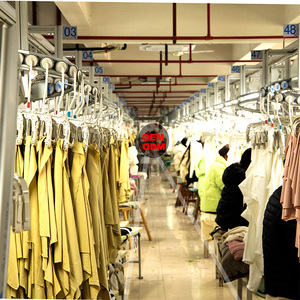
Premium tailored blazers, dresses, and blouses with custom brand labels. Perfect for Roppongi fine dining and hotel concierges.
Get a QuoteAn authoritative analysis on supply chain optimization, JIS compliance, and material engineering for Japanese enterprise buyers.
The apparel procurement landscape in Tokyo represents one of the world's most demanding corporate environments. Japanese enterprises require a precise balance between understated elegance, exceptional garment longevity, and technical functionality. From the financial skyscrapers of Marunouchi to the high-end retail hubs of Ginza and the creative districts of Shibuya, uniform sourcing is no longer treated as a simple commodity purchase. Instead, it is an essential extension of brand identity and operational ergonomics.
Partnering with an experienced overseas uniform manufacturer provides Tokyo procurement directors with significant economic efficiencies, provided the factory deeply understands local market expectations. Providing high information gain through tech-pack accuracy, zero-defect quality assurance, and seamless compliance with Japanese Industrial Standards (JIS) is the cornerstone of sustainable OEM/ODM partnerships in Japan.
Uniform requirements across Tokyo vary significantly by ward and commercial sector. Factory partners must tailor fabric selection, fit blocks, and finishing processes to align with localized user expectations:
Sector: Corporate Finance, Tech & Legal Head Offices.
Demands sleek, stain-resistant, wrinkle-free suiting, crisp oxford cotton shirts, and tailored stretch vests. High emphasis on breathable, anti-crease fabrics suited for long office hours and seamless business travel.
Sector: Luxury Retail, Fine Dining & Hospitality.
Requires high-end bespoke aprons, tailored silk-blend blouses, and structured wool jackets. Visual elegance must match Japanese luxury service etiquette (Omotenashi) with zero loose threads or pattern misalignments.
Sector: Creative Agencies, Gaming & Pop-up Retail.
Focuses on heavy-gsm drop-shoulder tees, modern streetwear hoodies, and customized workwear jackets. Staff uniforms blend street style with corporate branding, favoring boxy silhouettes and durable puff prints.
Tokyo's uniform market is rapidly evolving due to national environmental mandates, shifting workplace demographics, and micro-climate realities. Factory suppliers must adjust their textile R&D accordingly:
Initiated by the Ministry of the Environment, Japanese offices adjust indoor thermostats to conserve energy. Summer uniforms mandate moisture-wicking quick-dry polo shirts, mesh vents, and lightweight 140–180 GSM tech fabrics. Winter uniforms require micro-fleece linings and thermal heat-retention layers that maintain a professional exterior silhouette.
Due to Tokyo's dense public transport networks and humid summers, odor-control fabrics are non-negotiable. Leading suppliers apply silver-ion or organic anti-bacterial treatments to cotton and poly blends, guaranteeing fabric freshness across 50+ industrial wash cycles while maintaining zero skin irritation.
To successfully pass Japanese quality audits, imported garments must strictly conform to Japanese Industrial Standards (JIS). The matrix below outlines our factory's verified benchmarks for the Tokyo market:
| Uniform Category | Target Japanese Market | Recommended Fabric Weight & Composition | JIS & Quality Standard Compliance | Standard MOQ |
|---|---|---|---|---|
| Corporate Polo & Staff Tees | Tech, Events & Quick Service | 180–240 GSM Combed Cotton / Pique Mesh | JIS L 1096 (Dimensional Stability < 3%), Anti-Pilling Grade 4 | 50 Pcs |
| Executive Suiting & Vests | Financial & Concierge | 280–350 GSM Wool / Poly-Viscose Stretch | JIS L 1089 (Color Fastness Grade 4+), Wrinkle Recovery Test Class 4 | 100 Pcs |
| Activewear & Wellness Uniforms | Fitness Studios & Spas | 220–300 GSM Nylon-Spandex / Recycled Poly | JIS L 1920 (Antibacterial & Deodorant Finish), 4-Way Stretch | 50 Pcs |
| Heavy-Duty Outerwear & Fleece | Logistics & Field Operators | 350–500 GSM French Terry / Bonded Softshell | JIS L 1092 (Water Resistance), Double-Needle Seam Reinforcement | 50 Pcs |
Navigating international apparel manufacturing requires a partner that eliminates language barriers, technical miscommunications, and unpredictable delays. Based on over 12 years of apparel engineering experience, our modern facility integrates end-to-end production under one accountable team.
We convert Western specs into precise Japanese sizing curves (JIS L 0112 / JIS L 4004), adjusting shoulder slopes, sleeve lengths, and chest grading for an optimal local fit.
Pantone color matching and lab dips submitted within 5 days. Every fabric lot undergoes shrinkage, crocking, and color-fastness validation before bulk cutting.
Sample creation in 7–12 days. Our 50-piece minimum per design empowers Tokyo companies to launch micro-capsules and test team feedback without excess inventory capital.
In-line stitching checks, needle-detection scans, dimension audits, and final AQL 1.5 export inspections ensure 100% compliance with Japanese quality expectations.
Custom woven neck labels, care tags with Japanese wash symbols (JIS L 0001), individual polybagging, and barcode labeling ready for warehouse distribution.
Complete Delivered Duty Paid (DDP) shipping directly to your Tokyo offices or 3PL warehouse. We handle customs clearance, import consumption tax (JCT), and documentation.
Clear technical answers to streamline your custom apparel order process.
Connect directly with our merchandising engineering team today. Send us your tech packs, sketches, or ideas for a comprehensive quotation and fabric swatch kit.