
 Talk to production646-681-4212 Talk to production646-681-4212
 Explore our core garment manufacturing capabilities engineered for apparel wholesalers, DTC fashion labels, and global private brands seeking low-MOQ flexibility paired with industrial-scale quality assurance.
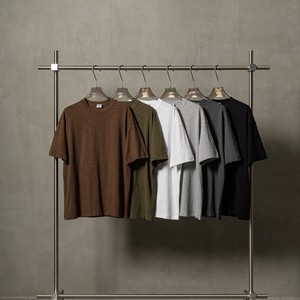
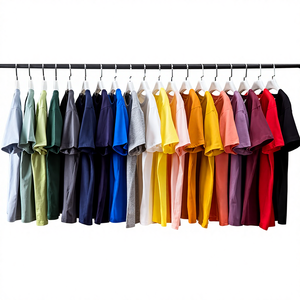

Over the past three decades, Sri Lanka has transformed from a conventional volume-based apparel manufacturing destination into the world's most sophisticated hub for high-precision, technical, and ethically certified garment manufacturing. Known globally for pioneering the pioneer movement of "Garments Without Guilt," Sri Lanka’s textile sector stands out by integrating complex digital knitting, advanced seamless bonding, high-density stretch weaving, and zero-discharge dye technologies under strict international labor standards.
For international procurement directors, fashion executives, and private label brands evaluating garment sourcing factories & factory in Sri Lanka, navigating this ecosystem requires a granular understanding of how localized craft intersects with global technical compliance. Unlike region-wide bulk commodity hubs that rely purely on low labor overheads, Sri Lanka’s competitive advantage resides in high value-addition: engineered activewear, intricate cut-and-sew constructions, heavyweight streetwear knits, and premium intimate apparel.

To provide actionable strategic clarity, the following comparative framework details key operational operational metrics across primary Asian manufacturing corridors:
| Manufacturing Parameter | Sri Lanka | Vietnam | Bangladesh | China (Guangdong) |
|---|---|---|---|---|
| Primary Specialization | Technical Activewear, Heavy Knits, Intimates | Outerwear, Woven Shirts, Footwear | Mass Basic Knits, Denim Commodities | Rapid Fashion, Synthetics, All Categories |
| ESG & Labor Compliance | Industry-Leading (ISO/WRAP/LEED Gold & Platinum) | Moderate to High | Improving (Rana Plaza Accord Focus) | Variable by Tier/Region |
| Agility & Small Batch (MOQ) | Highly Adaptable (50–300 pcs flexible tiers) | Moderate (500–1,000 pcs standard) | Low Flexibility (3,000+ pcs minimums) | Ultra High (20–100 pcs dynamic) |
| Duty Tariffs (EU / UK) | GSP+ Eligible / Preferential Access | EVFTA Duty Free Tiers | EBA Duty Free | Standard MFN Tariffs |
| Technical Stitch & Bonding | Seamless, Ultrasonic Bonding, 3D Knitting | Standard Cut & Sew | Standard Flat Stitching | Advanced Automation |
Global apparel buyers seeking high customer lifetime value must align specific garment designs with the correct technical yarn formulations and manufacturing processes. Our garment production network bridges design intent with factory execution across primary apparel categories:
The global surge in luxury streetwear demands thick, structured drape without stiffness. Our production runs utilize 220 GSM to 500 GSM 100% combed ring-spun cotton and French terry fabrics. Key technical features include anti-shrinkage bio-wash processing, double-needle stress stitching, custom drop-shoulder patterning, and high-density chest embroidery. Pre-shrunk fabric stabilization ensures residual shrinkage remains strictly under 3% post-domestic washing.
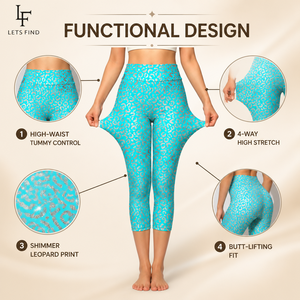
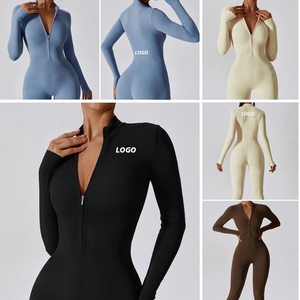
Activewear requires precise tension mapping and non-sheer (squat-proof) elastane integration. Utilizing double-brushed nylon-spandex and recycled polyester knits, our localized compression lines manufacture tummy-control leggings, zippered sports bodysuits, and sculpt jumpsuits. We implement 4-needle 6-thread flatlock stitching to eliminate seam chafing and integrate gusseted crotch panels for full range-of-motion flexibility.

Technical tracksuits require meticulous multi-panel cutting, color-block accuracy, and functional trim application. Custom zip-up jackets and tapered joggers feature water-repellent DWR coatings, breathable mesh lining, high-grade SBS zippers, and custom knitted rib cuffs. Panel-to-panel color fastness is strictly tested against ISO 105-C06 standards to prevent dye transfer across contrasting fabric sections.
Transitioning from custom blank apparel to a market-ready retail presentation requires integrated branding packaging services. Every garment line manufactured through our facilities supports custom woven neck labels, satin wash-care tags, FSC-certified hangtags with custom string attachments, barcode stickers, and custom-printed eco-friendly polybags designed for direct Amazon FBA or DTC fulfillment.
The global apparel supply chain is moving rapidly away from slow, multi-month speculative bulk orders toward agile, demand-driven micro-batches. Brands operating in competitive markets such as North America, Europe, Australia, and the Middle East must align with factories that embody four critical technological trends:
Sri Lankan factories are leading Asia in zero-water dye techniques and post-consumer textile recycling. Sourcing partners in regions like Biyagama and Katunayake Export Processing Zones are heavily adopting Global Recycled Standard (GRS) certified yarns and OEKO-TEX Standard 100 certified reactive dyes. This prevents toxic runoff and ensures finished apparel meets non-toxic compliance standards across strict western EU markets.
Traditional apparel manufacturing lost weeks during physical proto-sampling iterations. Today, our engineering team converts initial sketches, mood boards, or physical sample images into precise 2D vector CAD patterns and 3D digital avatars. This reduces physical sampling cycles from 4 rounds down to a single master pre-production sample, cutting product development timelines by up to 60%.
Inventory risk is the leading cause of brand mortality in modern retail. By lowering minimum order quantities to 50 pieces per design (with size splits and colorway flexibility), emerging fashion labels can validate fit blocks and market traction before committing capital to 1,000+ unit bulk runs. Once a style proves high sell-through, identical digital markers allow seamless scaling without re-engineering artwork or patterns.
 Quality Assurance Protocol
A central challenge when managing international production is maintaining consistency across initial proto-samples and 10,000th bulk production units. To eliminate defects, oil stains, measurement drift, and thread unraveling, our manufacturing process enforces a rigorous Four-Gate Quality Control Protocol:
Upon fabric mill arrival, roll inspection machines audit fabric weight (GSM verification), stretch recovery percentages, pilling resistance, and color shade lot consistency under D65 standard light boxes. Substandard raw fabric is rejected before lay-cutting begins.
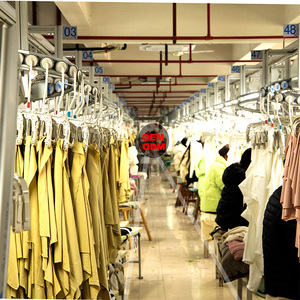
Quality inspectors monitor active sewing assembly lines at key stress points—such as neck ribbing insertion, armhole flatlock seams, zipper insertions, and sleeve hem alignments. SAM (Standard Allowed Minutes) efficiency is balanced against stitch-per-inch (SPI) accuracy.
Garments pulled post-ironing are laid flat and measured against the master Tech Pack spec table across 15+ critical dimension points (chest width, body length, shoulder slope, sleeve opening, waist stretch). Deviations exceeding +/- 1cm trigger line recalibration.
Before master carton sealing, independent QC auditors perform random sampling under standard ISO 2859-1 (AQL 2.5 criteria) checking loose thread trimming, needle detection safety, brand label correctness, polybag barcode accuracy, and carton drop durability.
We eliminate middleman trading markups by providing full transparent costing sheets itemizing raw fabric cost, trim hardware, screen printing/embroidery unit costs, cut-and-sew labor minutes, packaging, and DDP air/sea freight logistics. Brands maintain complete visibility over their product unit economics from day one.
Receive our full product catalog, fabric swatch cards, technical cost breakdown, and factory capability deck tailored to your apparel brand's specifications.